


Twelve New Moose Cameras Installed Near Dusky Sound

Sue Fea © the Southland App
20 January 2026, 10:46 PM
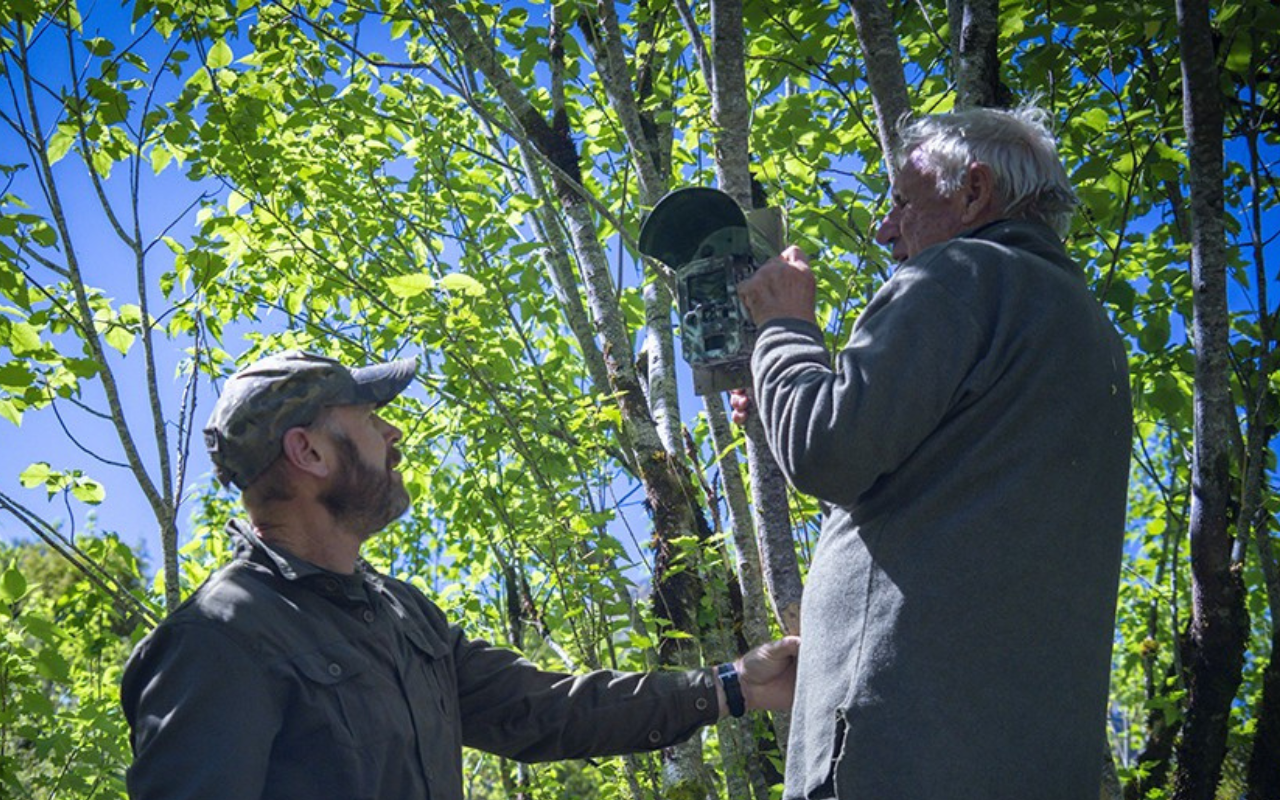 Fiordland moose researcher Ken Tustin and fellow tracker Matt Ellis secure one of twelve specialist surveillance cameras in a key 'hot spot' in the Dusky Sound area, in the hope that one may capture an image of Fiordland's elusive moose. Photo: Steve Couper Photography
Twelve specialist surveillance cameras were flown deep into Fiordland National Park at the weekend as part of seasonal monitoring of an area where Fiordland moose researcher Ken Tustin believes the elusive animals annually frequent to forage.
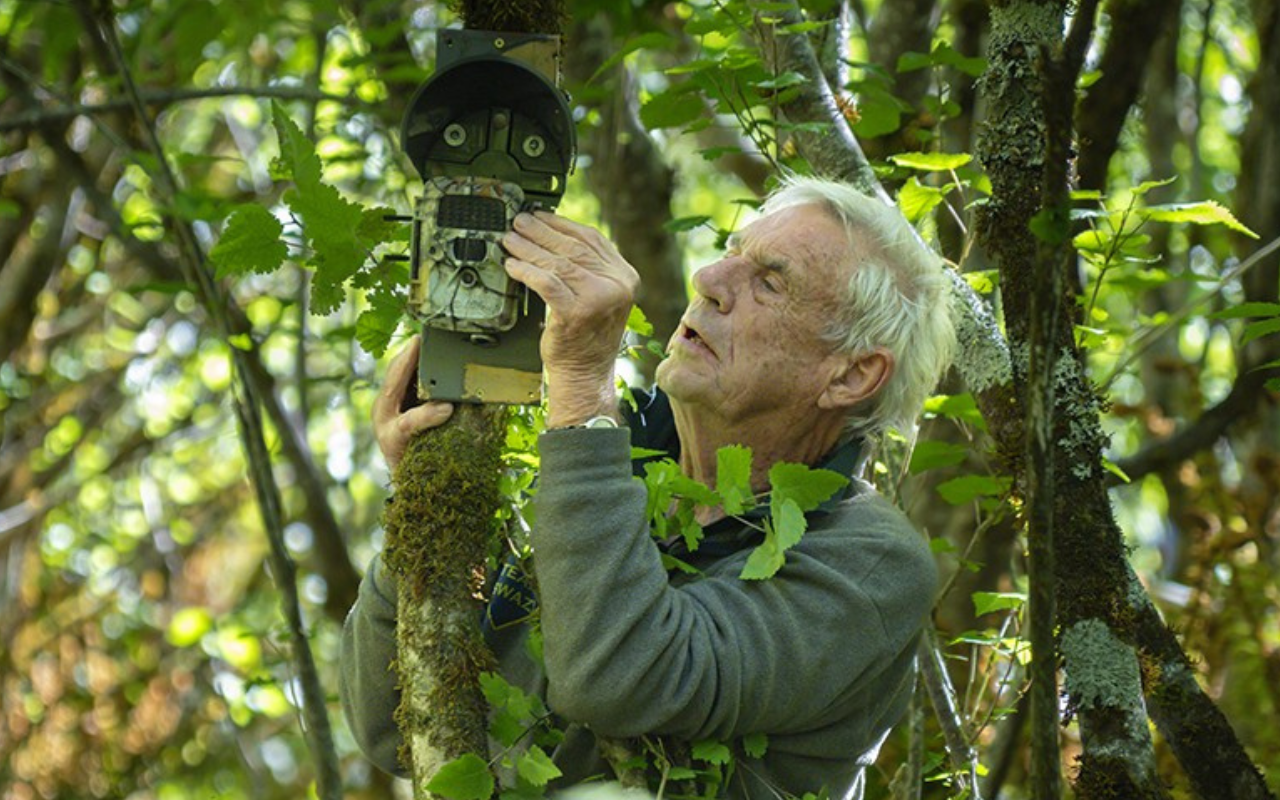
Fiordland moose researcher Ken Tustin does a final check of one of his team's surveillance cameras. Photo: Steve Couper Photography
Moose where first released into Fiordland in 1910 however despite some early hunting successes, their long-term fate has remained a mystery. However sightings as recently as last year (2025), along with distinctive calls, browsing sign and two positive DNA hair samples, have kept hopes alive that a remanent population still exists.
On Sunday (18 Jan) Southern Lakes Helicopter pilot Ben Young, who’s sure he spotted a moose while flying north of Doubtful Sound in 2020, flew Tustin, experienced moose hunter Matt Ellis and Queenstown film-maker Steve Couper into an area of interest in a tributary of Dusky Sound.
It’s an area where Mountain Ribbonwood – a deciduous plant that moose like to feed on, grows in abundance and where there’s been evidence on the leaves and stems of their feeding for at least four summer seasons now, Tustin says.
“We’ve been monitoring this site as it’s in use every season."
"We can see it’s been used four years in a row, and we had cameras there last year but we’re now in the best position to capture some photos,” he says.
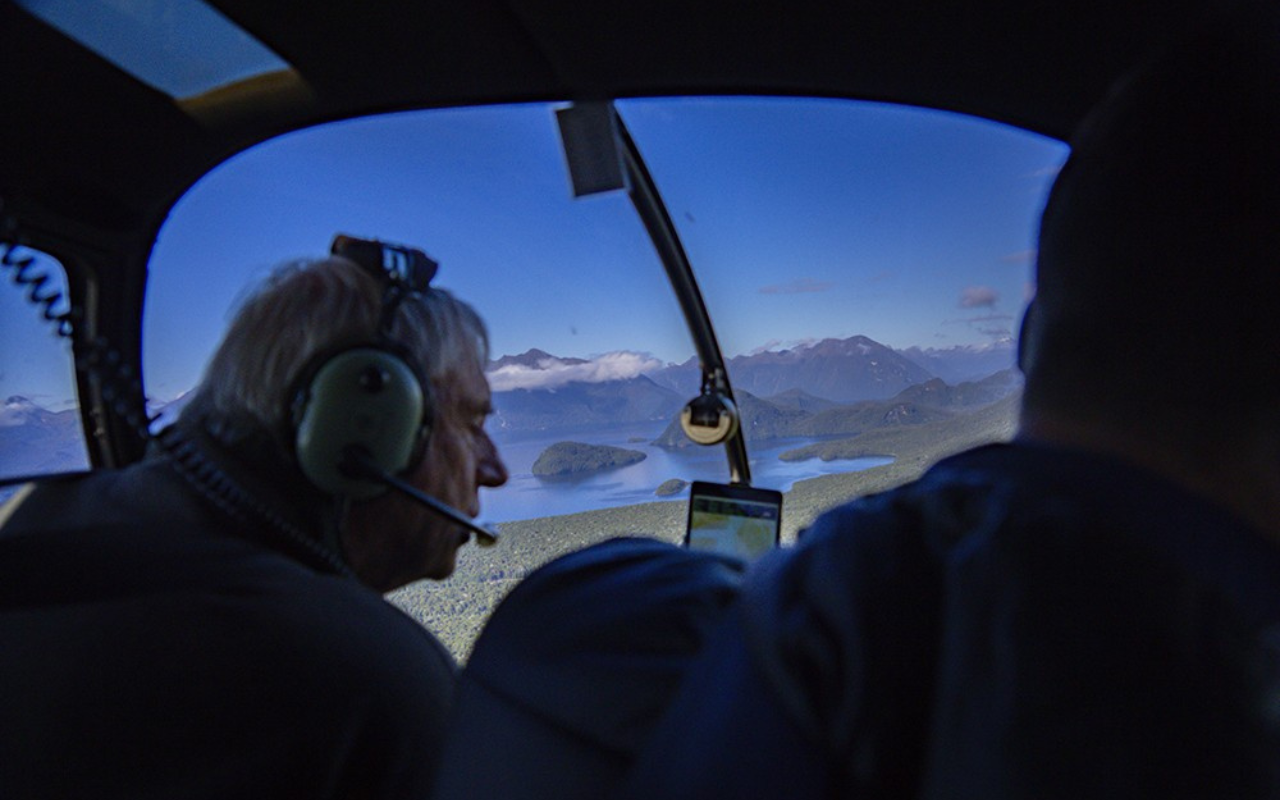
A Southern Lakes Helicopter flew a Moose tracking team into a location of interest in Dusky Sound last Sunday (18 Jan). Photo: Steve Couper Photography
“People demand photos to believe, but I work with the biology of the animal.”
Tustin says deer feed at around 2.1m and nibble on leaves and foliage whereas moose feed at around 2.7m.
“The forage zone of a red deer can’t reach to where a moose can,” he says.
Mountain Ribbonwood typically grows in small to medium stands to about 7m tall at the bush edge, around rockfall and disturbed sites, high in a basin.
It’s a great seasonal forge source for moose, especially in forests deleted by red deer overpopulation.
“It’s equivalent to the willow they feed on in their northern habitat,” he says.
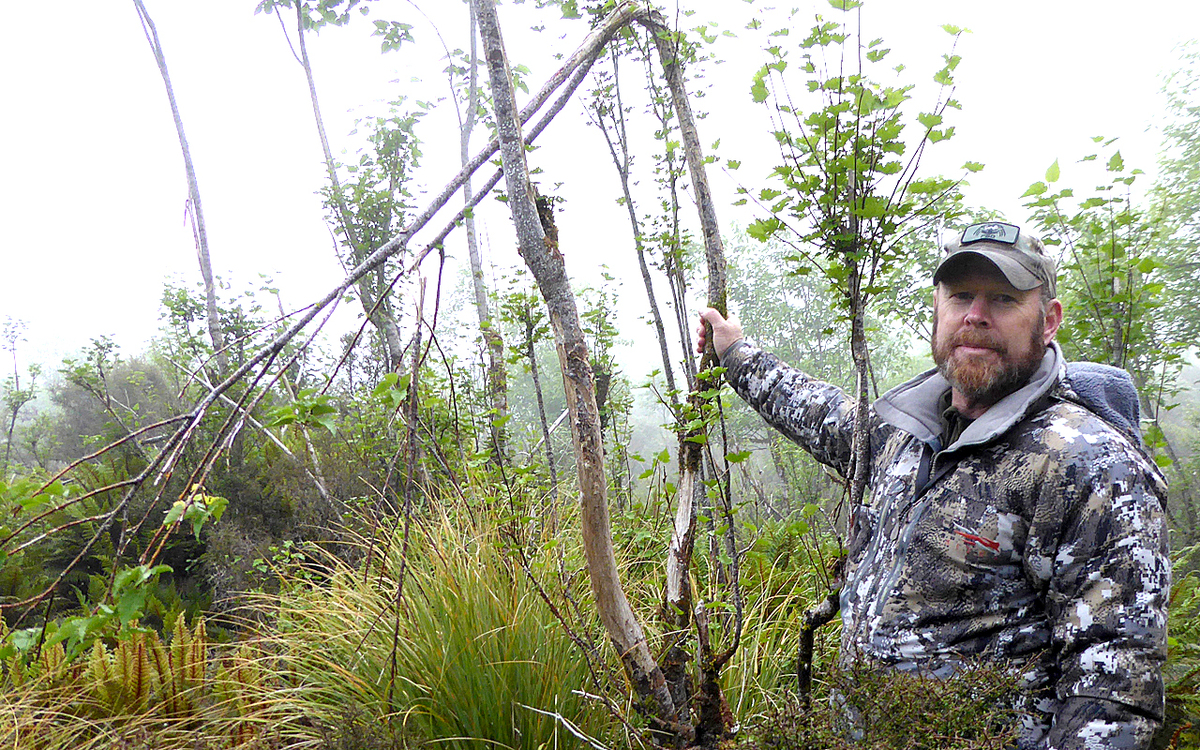
Experienced big game hunter Matt Ellis has joined forces with Ken Tustin to help solve the mystery of Fiordland's elusive moose. Photo: Supplied
“We’ve learned it’s an important seasonal forage for this animal."
"Moose are solitary and have a seasonal beat around their home range,” he says.
“We had cameras in there last year, but we’ve been smarter this year.”
He says moose leave distinctive feeding evidence.
“This plant resembles a poplar, and is of a material that, with its weight and strength, it can break a stem, about the size of a broom handle, and strip it of leaf with a sideways swipe of the head,” he says.
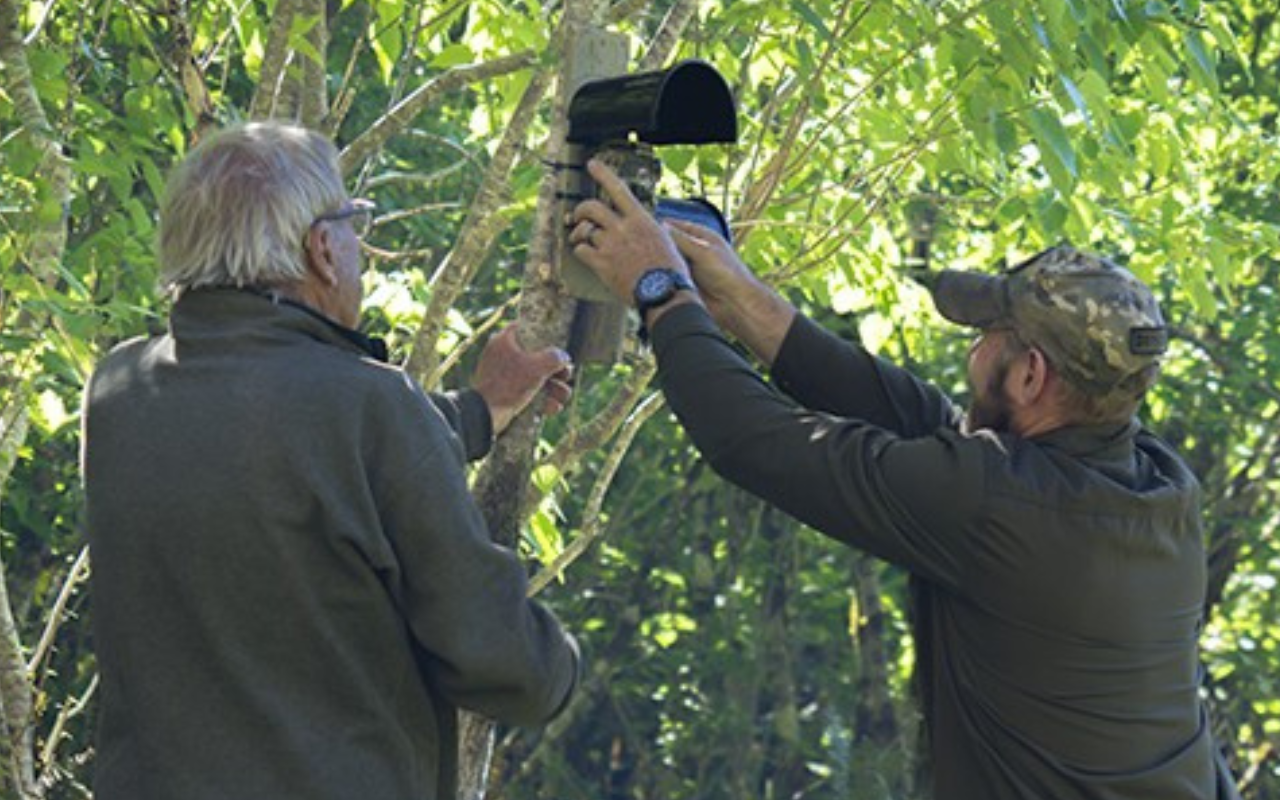
Twelve hi-tech surveillance cameras were installed last weekend in a thicket of ribbonwood - know to a popular food of the elusive Fiordland moose. Photo: Steve Couper Photography
“That’s how we identify moose browse. We can separate the two species (red deer and moose) by their feeding alone.”
Young, then 24 and having flown northern summers in Canada, spotted his moose in February 2020, north of Doubtful Sound and says he knows what he saw, having seen plenty of moose before, Tustin says.
That’s been added to by two people – one an American vet, sighting an adult female moose in March last year while walking the Kepler, and another nearby sighting by a French-Canadian trio of a young male.
More recently a New Zealand zoology professor and his scientist daughter spotted browse evidence on a family trip down Dusky Sound.
“All of these moose will still be alive, so we’ve had some really positive stuff,” Tustin says.
He’s very grateful to Hamilton hunting accessories and camera equipment retailer Allan Foot, who generously donated six of the cameras installed on Sunday, and to Rotorua wildlife park operator Stuart Hamlett, who donated another three.
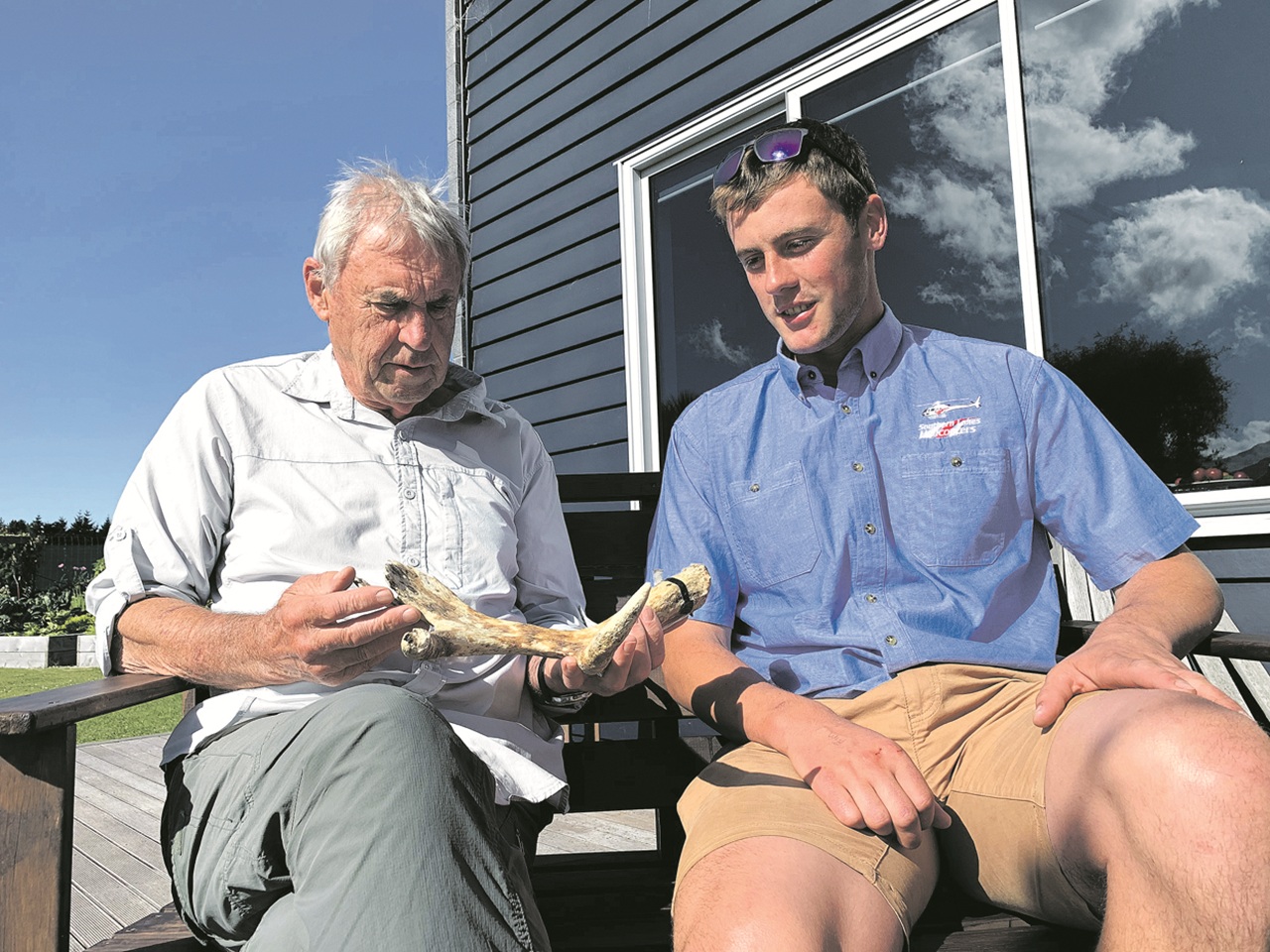
Moose researcher Ken Tustin and helicopter pilot Ben Young, following Ben's moose sighting in 2020 while flying north of Doubtful Sound. Photo: Southland App
The other three are on loan.
Tustin says the work has also received “serious support” from Sir Richard Hayes, of Southern Lakes Helicopters, who’s been backing the research for some years.
These latest cameras will be picked up to track the footage in about July.
Couper, of Stealth Films, has been filming the various installations and findings and flew in to document this latest phase on Sunday. His footage will likely go up online in a week or so, Tustin says.
Sue Fea is a senior journalist with more than 40-years experience covering police, social and general news in the southern regions.