


Prison death: Guards didn't take inmate's mental health seriously, inquest hears

Reporting by RNZ
02 March 2026, 4:25 AM
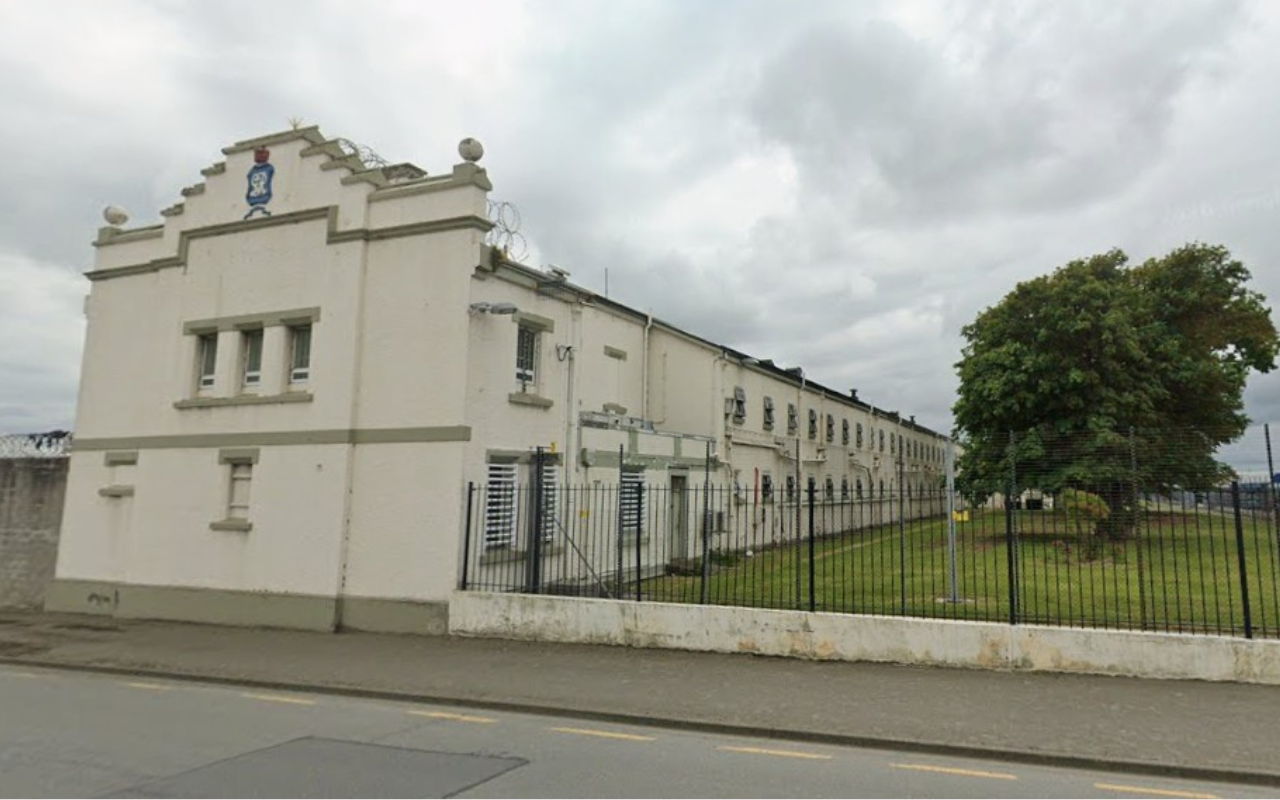 Invercargill Prison. Photo: Google Maps
An inquest into the death of an Invercargill Prison inmate has heard guards did not take concerns about his mental health seriously.
Nukuroa Strange, 30, died in August 2022.
Coroner Amelia Steel was considering whether Strange received adequate mental health support while in the custody of the Department of Corrections in the four months before he died.
The inquest would consider his risk assessments, management and treatment, including whether appropriate action was taken in the knowledge he had previously tried to hurt himself.
Corrections staff members have told the inquest on Monday that Strange had a lot of support from them and also had family support in prison.
In a statement read to the court, Strange's former partner, who RNZ has agreed not to name, said she called the prison and spoke to a Corrections officer, saying they needed keep a close eye on Strange because she was worried prison was "getting to him".
They had been together for about two months and lived together before Strange was jailed.
She said Strange had been smoking a lot of methamphetamine and she later realised he was committing crimes to pay for it.
He was furious that he was back in prison as they had dreams they wanted to achieve together and his mental health went downhill but Corrections staff tried to help him by putting him on anti-anxiety medication, she said.
They spoke over the phone multiple times a day while he was in prison.
She said Strange had tried to hurt himself in prison and had promised that he would not do so again.
During the call to the Corrections officer, she said she was upset that she was not contacted after he tried to hurt himself.
He assaulted a guard and was move to an intensive supervision unit.
The woman said they had made a mutual decision to separate a few days before he died, and while the relationship ended on good terms, there were a lot of tears.
He called her twice on the day he died, the first time in anger and the second to tell her he loved her.
Within a few hours she was told that Strange was dead.
Fellow prisoner Peter Herrick said Strange needed help and was not given the right support at the unit.
He did not believe staff were empathetic or properly trained and questioned why Strange was back in the unit so soon after attempting to harm himself and an admission to the intervention and support unit.
Herrick said he thought Corrections treated prisoners like a nuisance.
On the day he died, Herrick noticed Strange was visibly upset while on the phone.
He told a Corrections worker that he was concerned about the man and she went to talk to him.
Later that day, Herrick said an officer conducting a muster took off running when he heard something over the radio, he saw emergency services and was later told Strange had died.
Strange was not given the help he needed at the support unit and he did not know why the man was back there so soon after attempting to harm himself, Herrick said.
In a statement, on-duty Corrections staff member Pamela Craig said Strange was normal and well-behaved the day before his death, saying all the right things at the right time.
They had talked about his children, his love for his ex-partner and how he wanted to be the person she fell in love with, Craig said.
She said she did not see anything out of the ordinary while he was on the phone but kept a close eye on him because he had previously made multiple attempts to self-harm.
When a prisoner told her he thought Strange was in trouble, she and another Corrections staff member ran to his cell and tried to revive him.
Craig said Herrick did not tell her that Strange had been crying on the phone until after he was found in his cell.
Principal Corrections officer at the time Chris Ballantyne told the inquest that Strange appeared to be struggling with being in prison, more so than in his earlier time in jail.
He had known Strange for a number of years and believed they had a good working relationship.
Ballantyne was involved in deciding if Strange should leave the intervention and support unit and return to his regular unit shortly before he died.
Ballantyne said he interviewed Strange before the move, and he found him to be future-focused and talked about using his son as motivation to stay out of jail.
He said he felt comfortable Strange could leave the unit and was recorded as no risk following the interview, which was based on the assessment and in consultation with the medical team.
If he had shown signs of considering self-harm, Ballantyne said he would not have agreed to transfer him out of the support unit.
Ballantyne would continue giving his evidence on Tuesday.
Corrections staff member Adam Lilley said he had tried to do a risk assessment for Strange but he did not respond to any questions.
He had called in a control and restraint team to take him to the intensive supervision unit and Strange had fought back, he said.
Lilley said staff had tried to help him when they found him on the day he died.
Coroner Steel said her role was not about finding liability, rather accountability.
She would also consider possible recommendations to improve the department's risk assessment tools or well-being policies.
The inquest is set down for five days in Invercargill.
Published by Permission