


Local Legends: Owen Todd - from Boyhood Charm To Rugby Yarns

Sue Fea © the Southland App
06 December 2025, 3:38 PM
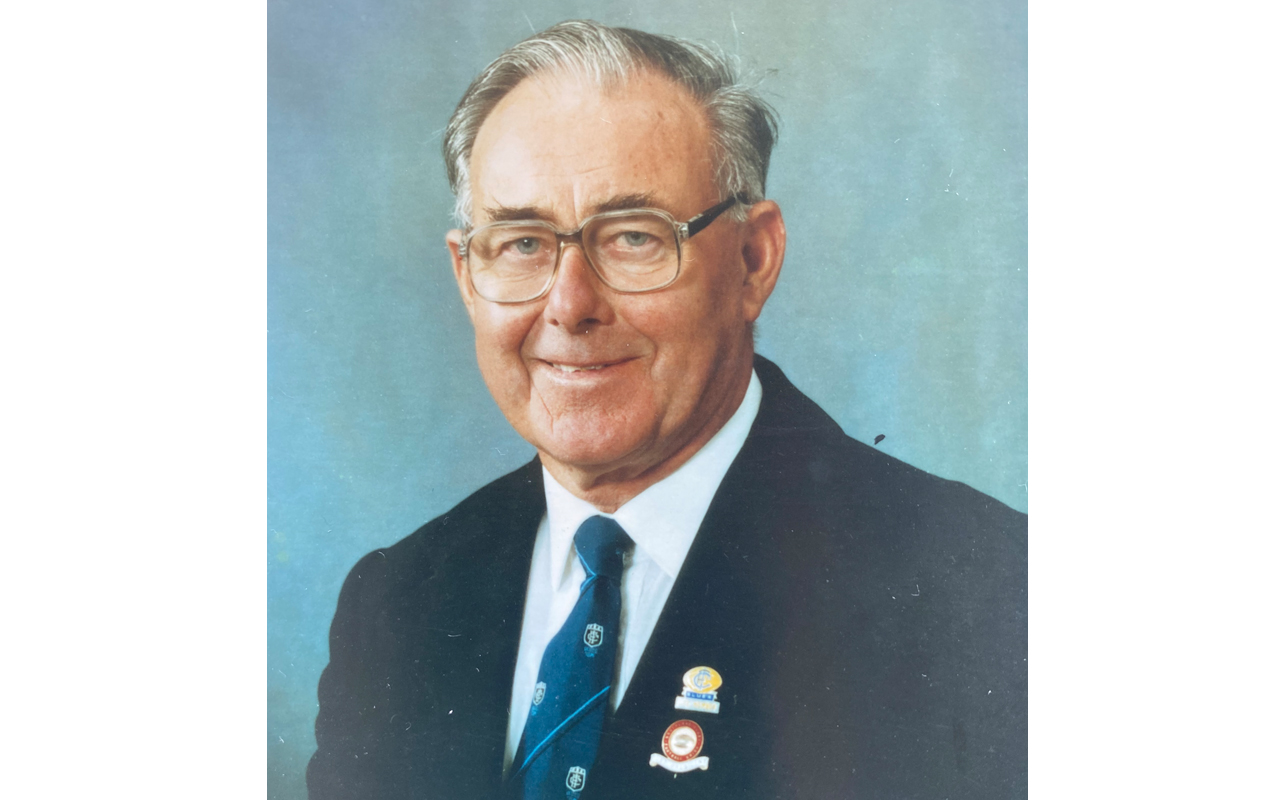 Southland rugby legend Owen Todd. Photo: Supplied
He’s knocking on 100 but Southland Rugby legend Owen Todd, 99, can still recall some remarkable rugby yarns from his team manager days as if they were yesterday.
President of the Southland Rugby Union, manager, and Southland and New Zealand U18 selector during his administration prime in the 1970s and 80s, Owen led the Southland team through some historical victories.
Most memorable, that legendary Ranfurly Shield draw with Auckland in 1976.
Manager that day, his mini shield still takes pride of place in his room, walls adorned with Southland Rugby memorabilia, at Queenstown’s Arvida Country Club rest home.
He's saved the boys from the odd spot of trouble, but his word and his leadership were always respected by the players.
Not bad for a mechanical fitter-welder from South Invercargill, who cut his teeth in the trade with family firm J. K. Stevenson Engineers, working there for 44 years, becoming a shareholder through the company’s bonus programme.

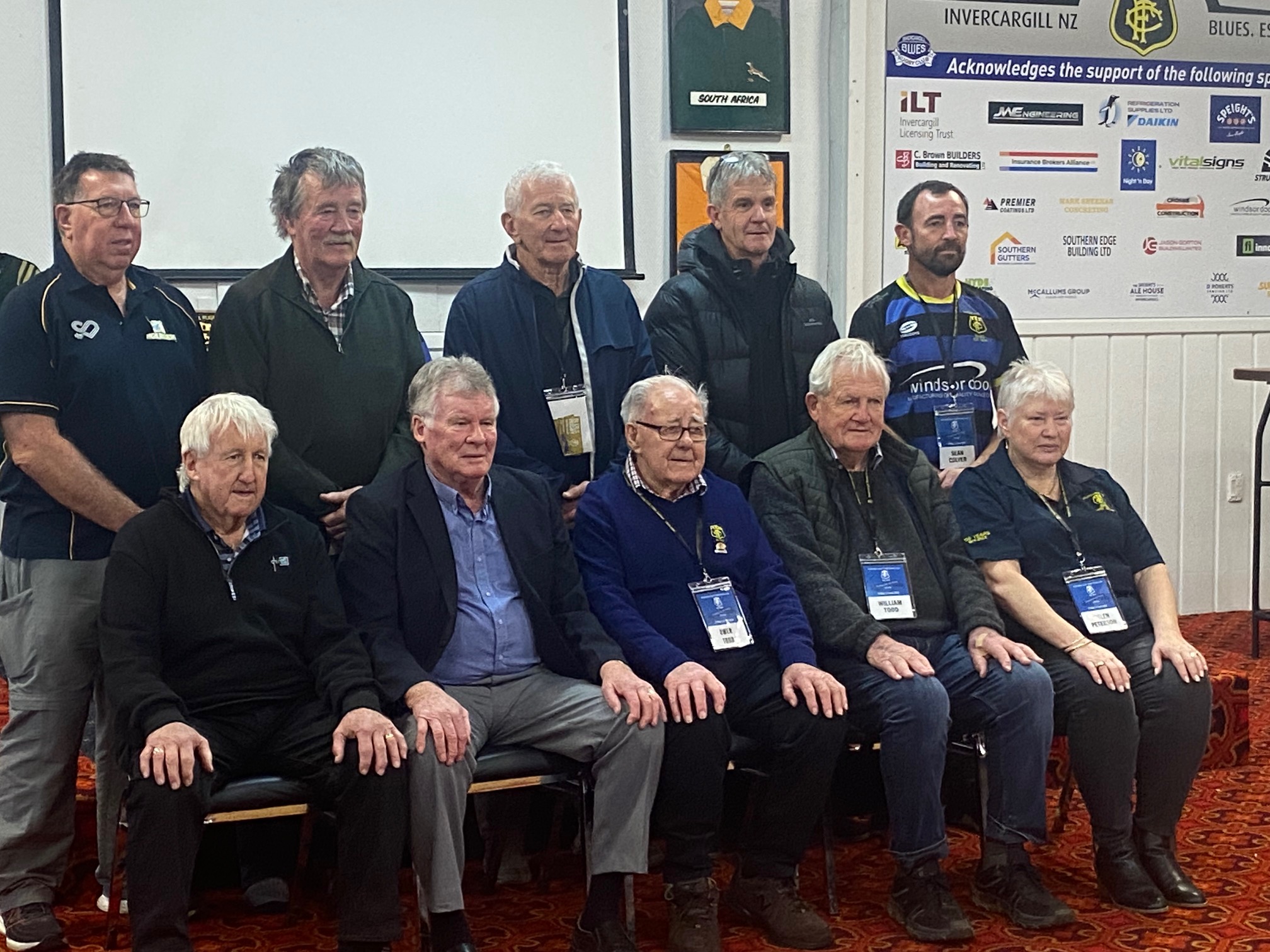
Owen, fourth from left in the front row, as part of the 1974 Invercargill Blues Rugby Club Centennial Committee. Photo: Supplied
Owen pays tribute to ‘Mr Stevenson’ for ensuring he and wife Ray, who passed away in 2015 after 65 happy years of marriage, got into their first St Andrew Street home soon after marrying in 1950.
Ray had been a part of Owen’s life since South School.
“I sat up the front with the dummies, and she was the dark-haired brainy girl up the back,” Owen grins.
Owen’s dad worked for Wright Stephenson stock firm, transferring to Balfour where Owen continued school.
“That’s where I got introduced to rugby, watching it over the fence,” he says.
The intrigue of the blacksmith’s shop next door was also responsible for his choice of career later.
“I’d watch the chaps making things with metal.”
They moved to Gore, Owen working after school at Burrows Nursery, then as a butcher’s boy, taking orders before school on his bicycle then delivering them after school.
“Come Saturdays us boys went up behind the dairy factory on the hill, and we’d tip the farmer’s water trough over, and make sleds from the pickets off people’s fences then slide down in the mud,” he grins.
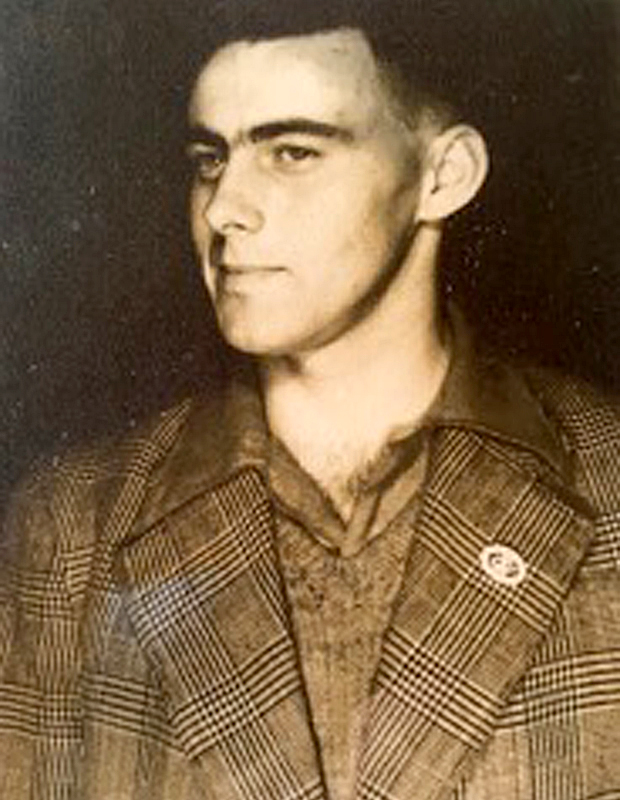
A young Owen Todd. Photo: Supplied
A World Boys’ Brigade Jamboree in Wellington was downsized to the ‘Southern Hemisphere’ during World War II due to safety threats when Owen was 12.
“We went by train and boat to Wellington. No lights were allowed on the boat at night in case the enemy spotted them. A huge passenger liner was loading soldiers to take them to war. It was scary alright.” They camped for two weeks at Waikanae.
The family moved back to Invercargill where Owen played in the South School Rugby Team, also playing for the Southland Primary Schools Team against Otago.
“We gave them a thrashing – three of us from our school were in the team.”
The headmaster made the senior class give them a standing ovation, then at playtime “the dark-haired brainy girl” (wife Ray) gave him a dig in the back and said, ‘Good on ya!’
At Southland Technical College he became head prefect, picking a teacher to dance as was tradition at the school dance.
“I picked Miss Morris who said she’d heard a lot about me at home from her younger sister, Ray (wife).”
The senior boys had to dig trenches by the basketball courts during the war, stripping their shirts off and whistling at the girls playing basketball.
“We had a big fire in the engineering block and us boys had to help dismantle all the machinery, belts and pulleys.
Blues Boys - Owen Starring centre front. Photo: Supplied
“I got really interested and got a job as apprentice at J.K. Stevenson Ltd Engineers.”
Christmas bonuses were offered as shares and coupled with an investment in the Southland Building Society Owen and Ray bought their St Andrew Street home off Mr Stevenson.
Their three children arrived – Neville, Sally and Graeme, and while he’d given up playing Owen was soon elected to Invercargill’s Blues Rugby Club Committee – a Life Member for almost 50 years, the club’s oldest.
Star of the show at the Blue’s 150th anniversary last year (2024), he was also instrumental in organising Southland’s annual Rugby Life Members Club gatherings, attending his most recent one three years ago.
He also suggested that women working tirelessly in rugby club kitchens be honoured with Life Memberships too.
Before long fellow Blues members Les George and Len Clode, both on the NZ Rugby Union, had nominated him for the Southland Rugby Union.
“I said, ‘Not a dog show!’”
But there was, and he then managed a Blues team trip to Australia too.
Each time he said, ‘I’ll have a yarn to my wife’.

Owen celebrating his beloved Blues Rugby Club. Photo: Supplied
“She always said, ‘Go for it!’."
"I owe her so much. I couldn’t have done any of it without her fantastic support, and that of my family,” Owen says.
He was also a Southland and NZ U18 selector.
Each time Ray said, ‘Go for it!’
“I’ve been to some wonderful places,” he recalls.
Billeted on the West Coast, Owen ended up touring an underground coal mine, presented with a massive box of whitebait to take home.
Chairman of Southland Rugby’s Grounds Committee for the 1981 Springbok Tour, Army personnel refused him pre-match entry through the barbed wire, despite being the boss.
Owen’s highlight was meeting Errol Tobius, the first coloured member of the Springbok team.
"Steven Pokere (All Black) introduced me, and Errol told me some of his own team seldom spoke to him off the field, which was really sad."
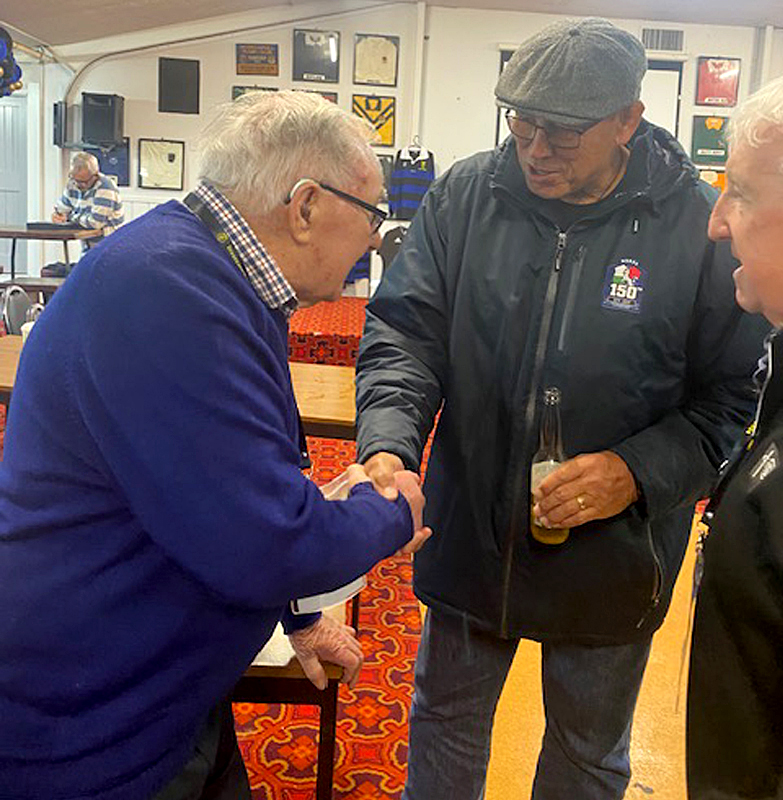
Owen meeting Sir Buck Shelford at the Invercargill Blues Rugby Club 150th anniversary last year (2024). Photo: Supplied
"The team manager kept an eye on him and Errol had his own separate manager.”
Then there was the Southland trip to Blenheim when Southland Juniors got into a fight with some gang members.
A player and the senior team liaison officer – an off-duty cop who went to assist, were both badly injured and hospitalised.
“I had three cops in my senior team so I had to let them go help and when the others heard what had happened I couldn’t hold them back despite the hotel manageress’s warning to stay at the hotel.”
His players beat the Police there, dealing some Southland vigilante-style justice to the main perpetrator, Owen begging one star player about to be named in the All Black team that night not to join in.
“I said,’ You’re doing nothing. You’re just gonna look!’
It was all over the 6 o’clock TV news so I rang Ray to reassure her, but I didn’t ring the Southland Rugby Union chairman Jack Smith.
Boy, did he give me a clean out,” Owen says.
Many happy years were spent at the renovated crib Owen and Ray bought in Queenstown Camping Ground – ‘Toddle Inn’.
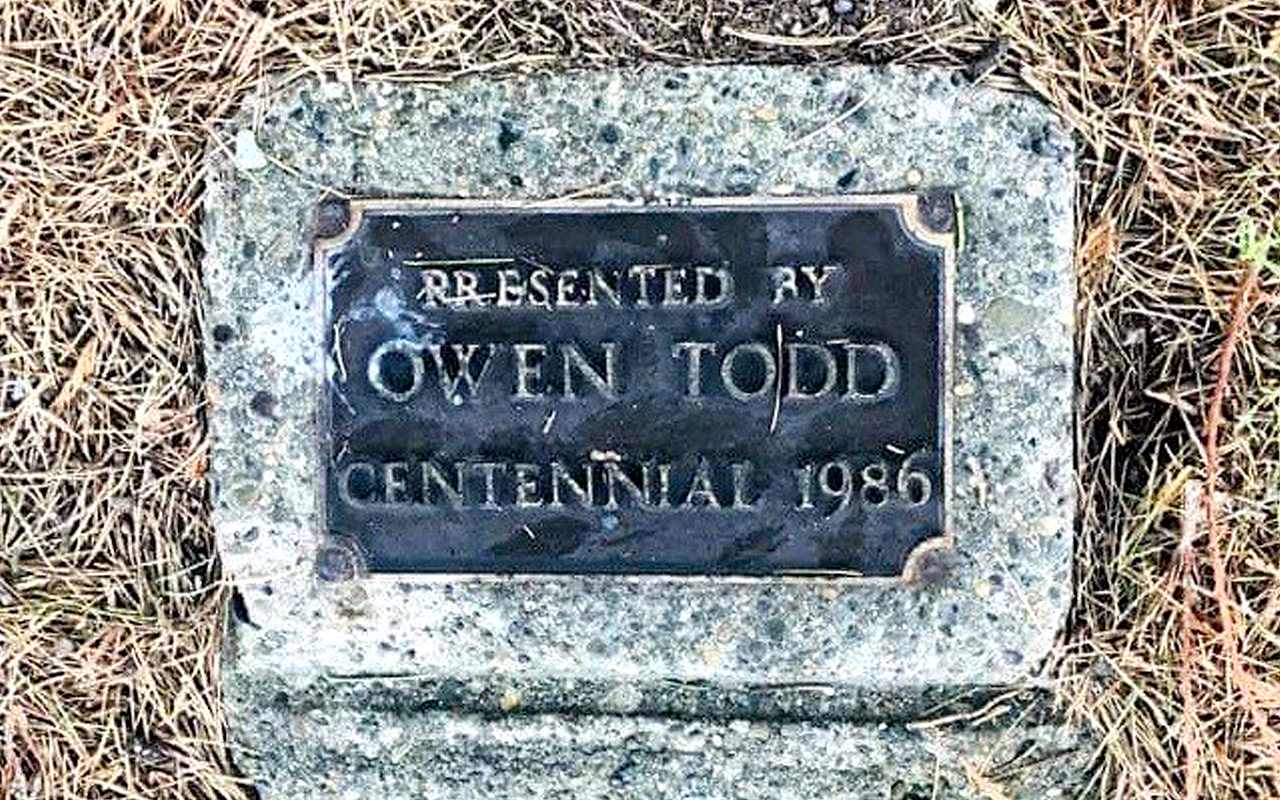
Photo: Supplied
One New Year’s Day three Police officers pulled up in a patrol car, offloading boxes into the crib.
“Three of our Blues players, cops up here as holiday reinforcements, came to visit."
"They’d been confiscating beer from underagers and thought they’d ‘go round and shout for Toddy’,” Owen grins.
“People were staring, wondering what was happening at our place. Ray was not amused.”
In 1985 they retired to Queenstown, where Owen joined bowls and Ray golf. Owen did fluke a Hole in One in Wanaka once though.
Author of Queenstown Bowling Club’s 100-year history book celebrating 1904 – 2004, he’s now delighted to see copies at every table in the new clubhouse restaurant.
A former committee member, Owen’s most memorable win was in his 80s when he, Bill Johnston and Dave Weir, playing as the underdogs, cleaned up with an average age of 80 in the Queenstown Bowls Triples Championship final against three local champions.
“Geez, that was a late-night home,” he grins.
So chuffed, he even had their names and ages engraved on the trophy.
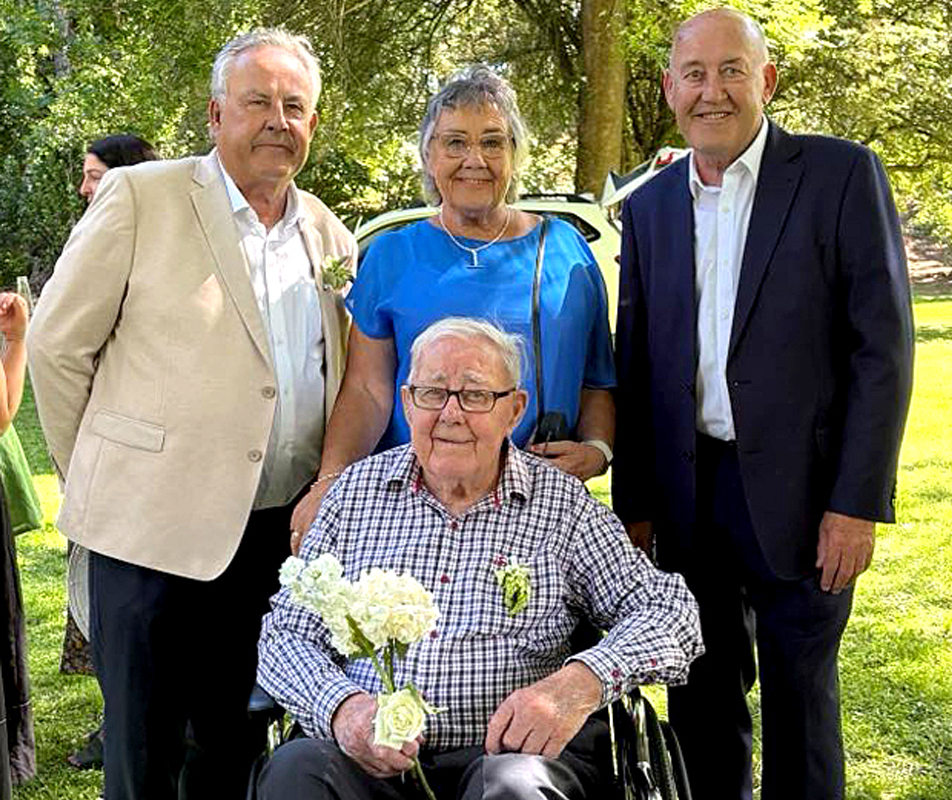
Owen, front, with his children, from left, Graeme, Sally and Neville. Photo: Supplied
Owen reckons he’s had “a marvellous life and met some fabulous people”.
Always a great encourager of young people, he’s forever grateful to a young English girl from Dover who helped nurse Ray at home in her final weeks.
“Louise still writes to me and sent me her wedding photos. She was such a lovely girl.”
As for those two newest great grandsons – well, just maybe they’ll grow up to be Stags.
Sue Fea is a senior journalist with more than 40-years experience covering police, social and general news in the southern regions.