


Invercargill’s fragile water supply back in spotlight

Local Democracy Reporter
03 February 2026, 8:33 PM
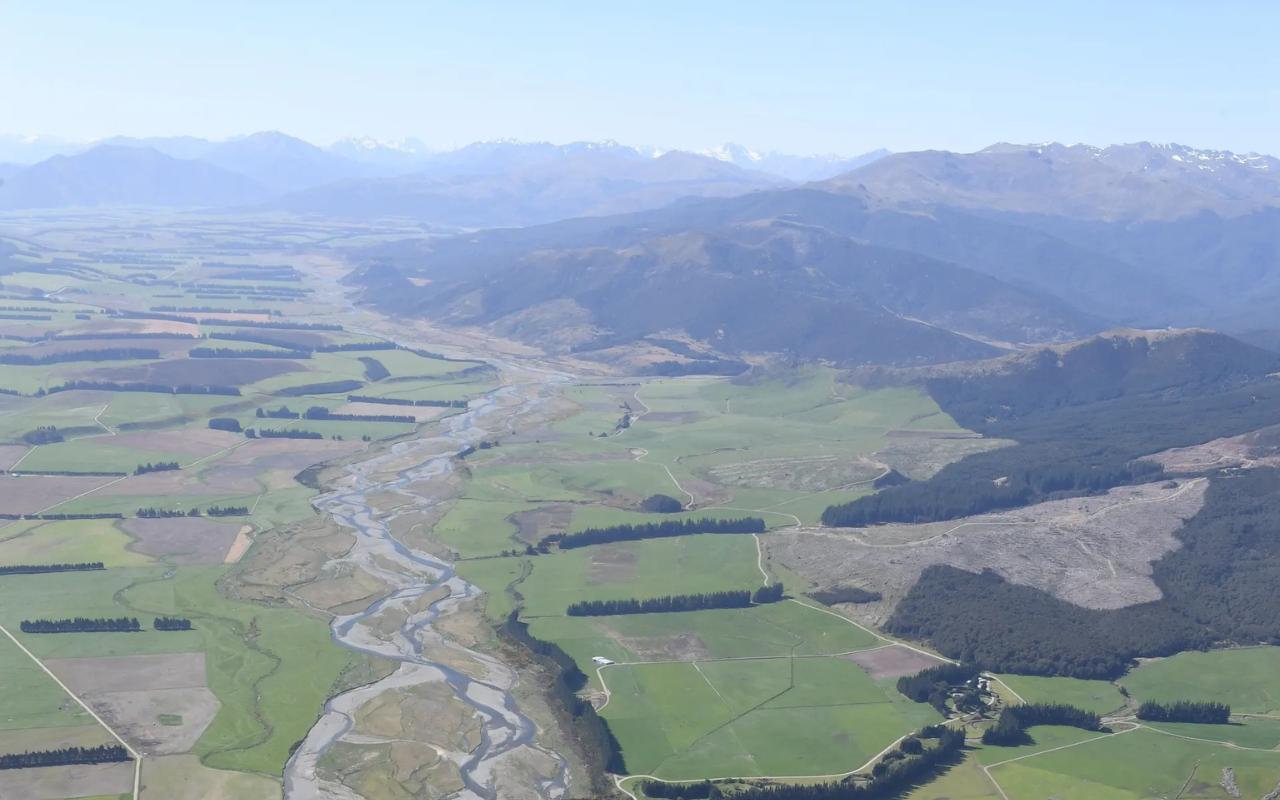 An aerial view of Southland's Ōreti River, which is approximately 170km long. Invercargill is reliant on the river for its water supply. (File photo). Credit: ODT/Supplied
Invercargill mayor Tom Campbell has called for a backup water supply to be prioritised as his city continues to make do with a single source.
On Tuesday, Campbell told a water committee there was strong public feeling around establishing an emergency supply and said it should be done urgently.
"I think as we’ve seen in the last few years, the number of serious emergencies that have been happening in New Zealand has meant that the public have become very attuned to what could happen here,” he said.
The fragility of Invercargill's reliance on a lone water source, the Ōreti River, is not a new problem.
In August, a report prepared for a committee meeting detailed “catastrophic” consequences in the unlikely event of prolonged drought or contamination.
Issues included threats to public health and safety, sanitation, fire risks, and economic stability.
The report also noted just two days' worth of water could be stored in the city's network.
On Tuesday, council senior manager Alistair Snow provided an update on aquifer options which had been investigated in Awarua since 2018, saying additional wells were being installed to further understand extent and capacity.
Clues from the August report show the aquifer could likely draw 3 - 5 million litres per day — below the requirement of a full alternate supply.
For context, Invercargill has been known to draw up to 35 million litres per day from the Ōreti River during peak summer conditions.
The aquifer water was deemed to be high quality, however, and sufficient for meeting basic needs should the Ōreti source go down.
During discussion, mayor Campbell said there was a lack of clarity around whether an emergency or additional water supply was being talked about, and also felt the matter should go back to council.
Councillor Steve Broad said it was his understanding the council was pursuing an emergency supply ahead of making a decision about what increased investment would look like.
In August, the infrastructure and projects committee decided against speeding up emergency supply work and bringing budgets forward.
The Ōreti water intake was set-up in the 1950s after quality and capacity issues surfaced with the Queens Park bores which were constructed in the 1880s, the council said.
LDR is local body journalism co-funded by RNZ and NZ On Air