


Fiordland hunters make big push for venison meat processing plant

Reporting by RNZ
26 February 2026, 8:18 PM
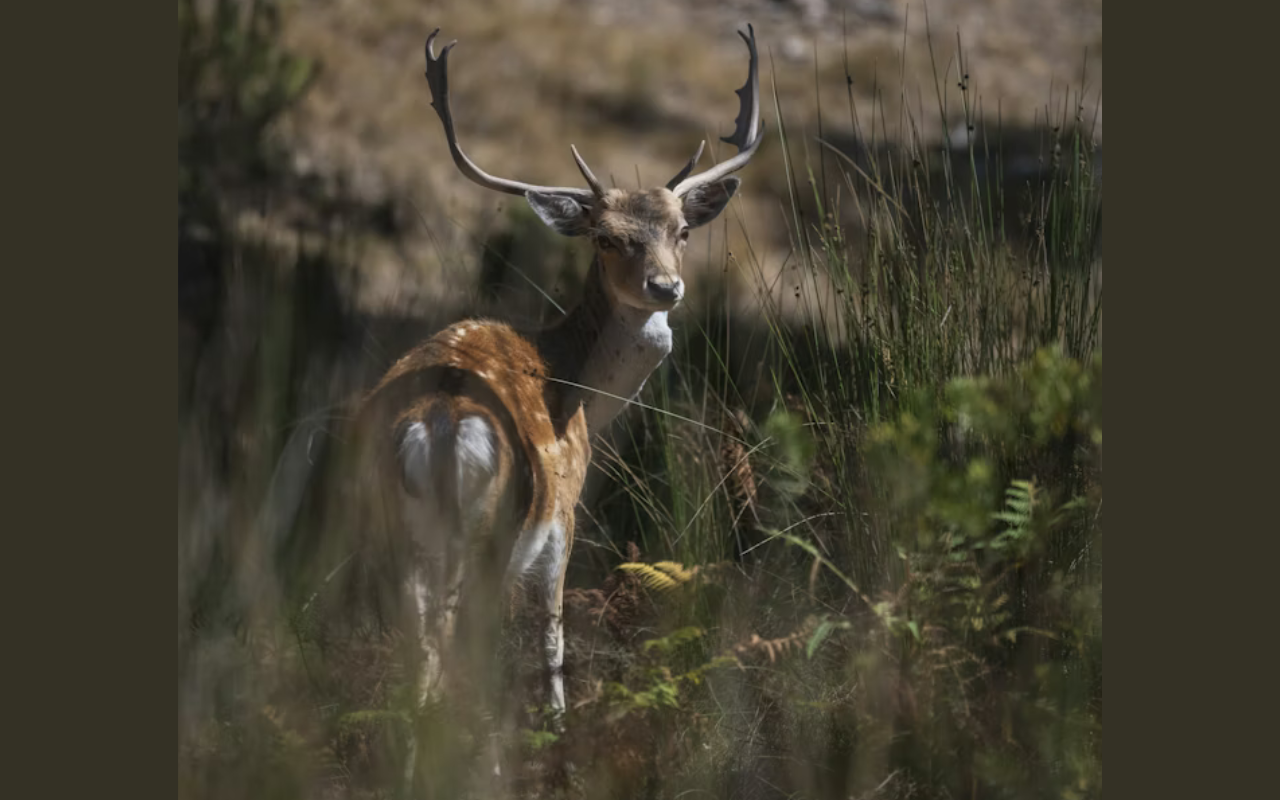 Wild deer. Photo: Unsplash, Samuel Jerónimo
A community conservation effort is hoping to fund a new processing facility for wild deer in the deep south.
Deer numbers have been exploding in Fiordland National Park following the decline of viable commercial and taxpayer-funded helicopter operations over many decades.
The deer have been ravaging the bush and the Fiordland Wapiti Foundation hopes its planned abattoir in Te Anau will save precious bush and provide an outlet for culled deer.
General manager Roy Sloan said hunting is costly and this initiative could support it by selling meat to the market.
The Fiordland Project estimates that venison sales will help fund deer control operations in the National Park at a greater scale than is currently possible.
"It's a charitable trust; we're getting donations from various building companies around the country" Sloan said.
"Our goal is to raise $3 million to build this plant."
The group of hunters and conservationists is confident funding can be secured.
Sloan is thrilled with the level of support shown for the project so far, with $2 million raised.
A number of tradies and professionals, including electricians and architects, have pledged their time to the project.
Plans of the building, seen by RNZ, show areas for skinning and boning, packaging and processing, and a chiller.
"We know that it's costly to do deer recovery. We we know that the government can't afford it, and we know that DOC can't afford it," Sloan said.
And while he admits it's a gamble, he said the risk of a community model might just pay off.
"What's the worst that can happen?' That in five years we fall over. 'But what's the best that can happen?' We could be still going and solve these problems."
The Fiordland Wapiti Foundation also maintains a number of back-country huts in the area, including Fiordland National Park's oldest hut.
How did wapiti become pests?
- wapiti are similar to red deer, but more pale and much larger and heavier
- The first wapiti were introduced into New Zealand in 1873, primarily for hunting
- By the 20th century, wild deer had spread throughout the forests, feeding on young trees, shrubs, ferns and ground cover plants
- From the 1920s, the government employed cullers to control deer populations
- In 1966 the first live deer were captured from the wild by helicopter
- By the 21st century, populations of wapiti and red deer have created major ecological problems
- Deer remain a pest species, significantly impacting native ecosystems
Published by Permission