


Declining Bluff oyster beds prompt Ngāi Tahu to cancel 2026 harvest

© the Southland App
26 February 2026, 12:30 AM
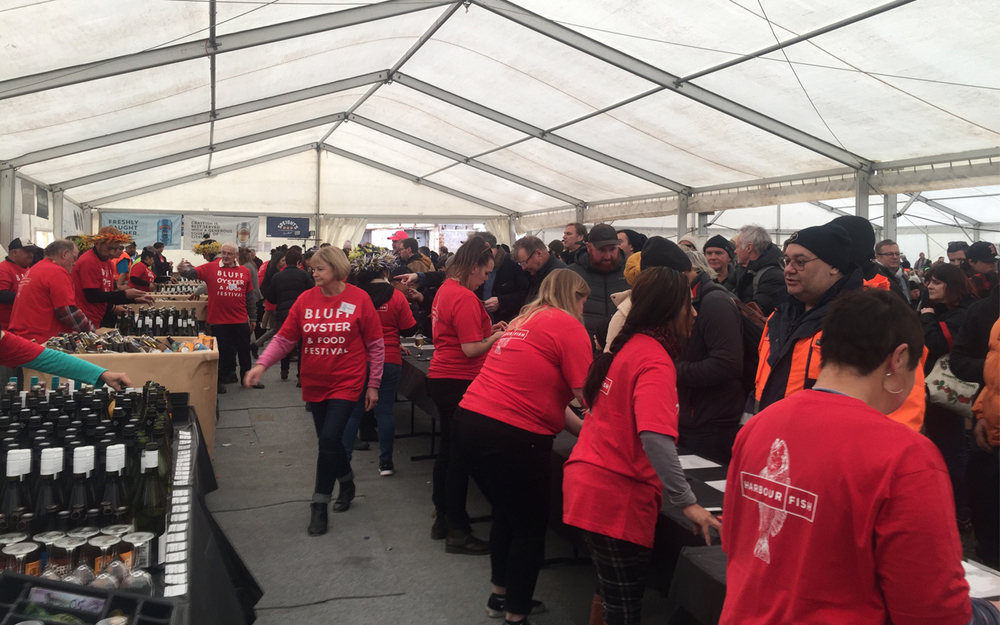 Bluff celebrates it iconic oyster with an annual festival. Photo: Salina Henry/Southland App
Ngāi Tahu Seafood has decided not to fish for tio (Bluff oysters) again this year (2026), amidst ongoing concerns about the state and resilience of the Foveaux Strait beds.
The fishery is collectively managed by the Bluff Oyster Management Company, which represents 18 quota holders, including Ngāi Tahu which owns around 20%.
Ngāi Tahu Seafood's decision, supported by Awarua Rūnaka, is the second consecutive year the company has decided not to harvest tio.
In a statement the company said they have observed a sustained decline in both the quantity and quality of tio available during recent seasons which resulted in early finishes in 2023 and 2024, and no harvesting in 2025.
Ngāi Tahu Holdings Chief Executive, Todd Moyle said that given the condition of the fishery and the clear guidance from mana whenua, the decision not to fish tio this season was the right call.
"Our priority is supporting the long-term sustainability of the tio fishery and protecting it for future generation.”
As mana whenua, Awarua whānau have observed many changes to the tio population over time.
“Historical patterns and local mātauraka tell us that the recovery of tio beds takes time."
Awarua Incorporated Society Chair, Pania Coote said the Bluff fishery had previously experienced periods of decline.
"Restoration requires sustained protection to allow natural regeneration and the rebuilding of resilient populations.”
Ngāi Tahu said the causes of the current decline were complex with infectious disease, changing sea temperatures, increasingly severe weather events, and disruption to the ecosystem all contributing factors.
While ongoing research continues to build an understanding of why tio are declining, mana whenua say these cumulative pressures reinforce the need for a precautionary, protection-first approach.
Awarua Rūnaka Ltd Chair, Barry Bragg said the Rūnaka believed the priority had to be the long-term recovery and protection of the core tio beds that underpinned the future of the fishery.
“We are encouraging the industry and regulators to carefully consider management approaches that reduce the pressure on key beds, including leaving primary beds undisturbed and, when harvesting resumes, potentially implementing shorter or more conservative seasons to support recovery.”
Awarua Rūnaka is also actively exploring options to support the long-term recovery of the taonga tio.
This includes a research partnership with the Cawthron Institute that, if successful, could lead to the establishment of a hatchery producing pathogen free juvenile tio to support the reseeding and restoration of wild stock and customary fishing areas.