


Controversial Fiordland kākā Charlie Girl has a chick

© the Southland App
18 December 2025, 12:24 AM
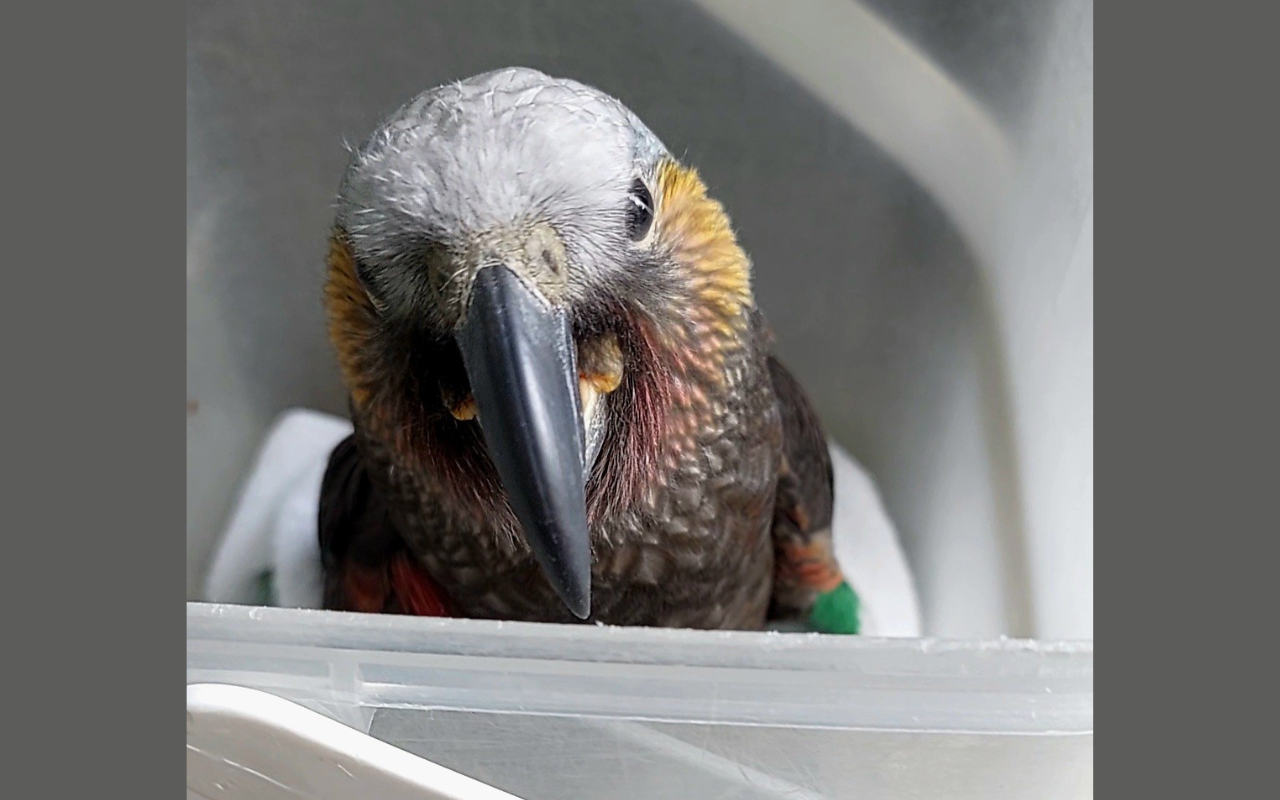 Charlie Girl’s chick in November. Photo supplied:Alisha Sherriff
Well-known South Island kākā, Charlie Girl, has successfully hatched and reared her first chick since moving to the Dunedin Botanic Garden Aviary.
Charlie Girl, a long-term resident of the Department of Conservation’s (DOC) Te Anau Bird Sanctuary after being hit by a car, was controversially moved to Dunedin in June 2024 as part of the captive breed-for-release programme.
The move of Charlie Girl caused an outroar from Fiordland locals who not only feared for the bird's welfare but, after DOC's announcement in January 2024 that they would be quitting the park, also the future viability of the popular local sanctuary.
DOC Fauna Science Manager Ash Murphy says the successful fledging of a new chick, which hatched in October, is another great sign Charlie’s settling into her new home.
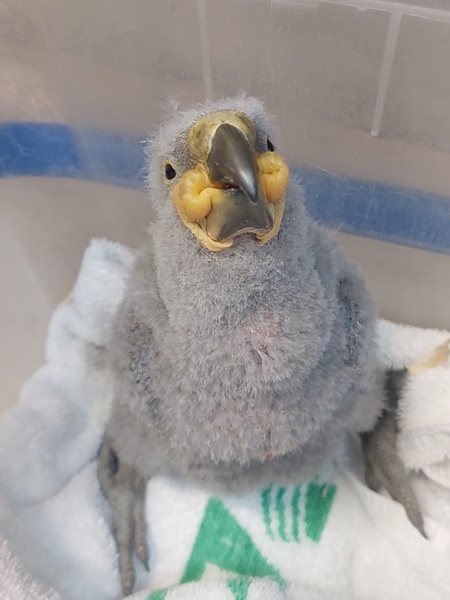
Charlie Girl’s chick at around one month old. Photo supplied: Alisha Sherriff
“Charlie continues to do well in Dunedin, where she is well cared for. She is an excellent mum, and we’re all thrilled with her latest chick, which fledged last week.”
In Dunedin she is currently paired up with male kākā, Bling, who she successfully bred with when they were both in Te Anau.
Because of Charlie’s experience, the team are hopeful she will be able to foster another chick this season, says Murphy.
“Experienced mums like Charlie are important for the breed-for-release programme as they help fill gaps left by the less experienced, younger parents. It’s also another great way to help with her wellbeing as it provides an outlet for her strong maternal instincts.
“Charlie has raised multiple clutches of chicks in the past, making a big contribution to the recovery of the species, which are Nationally Vulnerable.”
Visitors are reminded not to disturb Charlie Girl and the other kākā during this sensitive breeding time, and always be naturing responsibly.
The Dunedin Botanic Garden Aviary has a proven track record of supporting South Island kākā conservation with kākā raised there going on to help re-establish wild populations at Orokonui Ecosanctuary and Abel Tasman National Park.
Charlie is well-supported at the aviary, under the highly qualified avian specialist veterinary team from Dunedin Wildlife Hospital.
An independent welfare assessment completed by Professor of Animal Welfare Science Ngaio Beausoleil, from Te Kunenga ki Pūrehuroa Massey University’s Tāwharau Ora School of Veterinary Science, showed that Charlie’s welfare is best supported by her continuing to be cared for at the Dunedin Botanic Garden Aviary.
Murphy says DOC is confident Charlie is well cared for and supported in Dunedin.
“We’re all thrilled to see her continue to be a brilliant mum.”
On 28 July 2025 DOC announced all remaining birds - excluding takahe - at the Bird Sanctuary would be progressively rehomed and operating hours reduced. This prompted not only the establishment of several public groups to save the sanctuary but also moves by Great South, DOC, site owners Southland Fish and Game and iwi Ōraka Aparima Rūnaka to formally explore what the future of the park should look like.