

Breeding success for takahē in Upper Whakatipu

02 December 2025, 2:08 AM
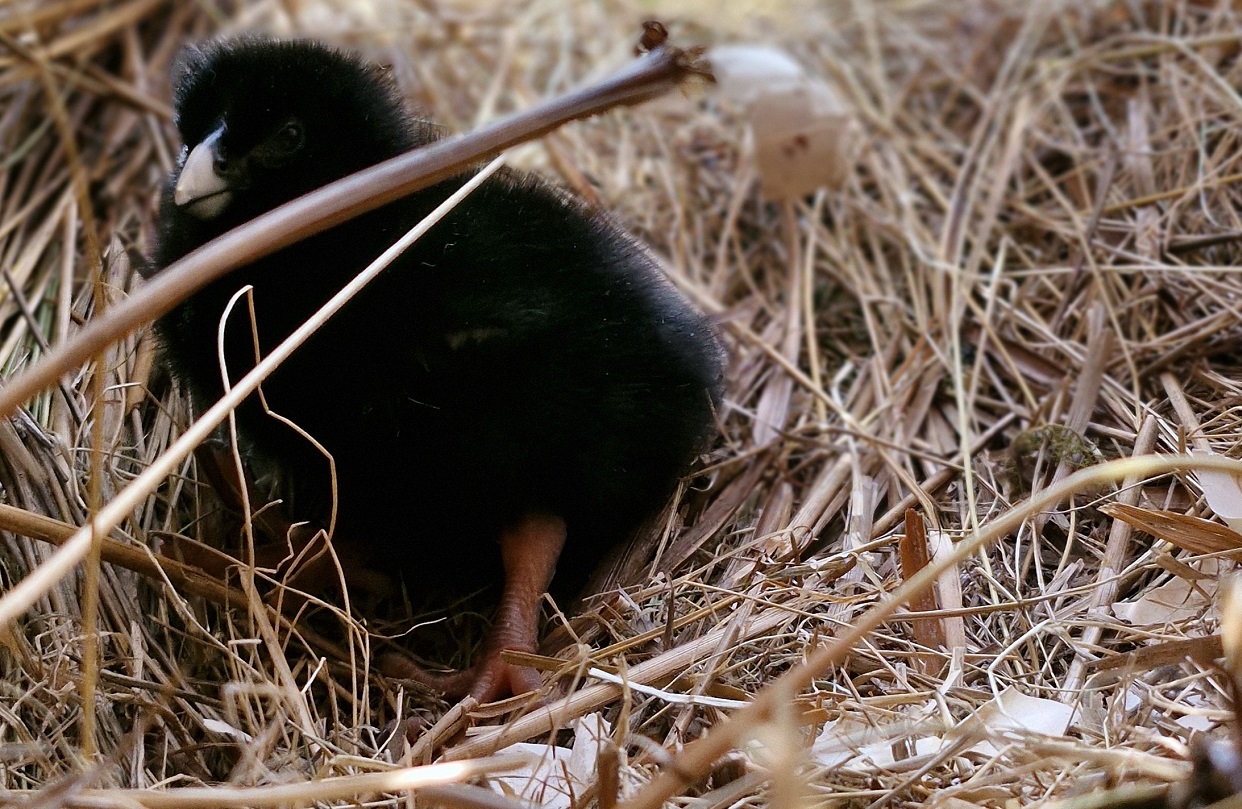 Takahē chick in the Greenstone Valley. Photo: DOC
Takahē released in 2023 in to two valleys in the Upper Whakatipu continue to successfully breed according to the Department of Conservation (DOC).
18 Takahē were released into the Greenstone Valley by the Department of Conservation (DOC) and Ngāi Tahu in August 2023.
This was followed by a further 18 into the Rees Valley, near Glenorchy, in February this year.
DOC Takahē Recovery Sites Project Lead Jason van de Wetering said the first chicks of the season had started hatching in the Greenstone Valley, while the recently released Rees Valley population has started laying eggs.
These chicks and nests are another great sign for an iconic species once thought to be extinct, he said.
“Careful management, collaboration with our partners Ngāi Tahu, the efforts of groups like Southern Lakes Sanctuary, and support from national partner Fulton Hogan, have made the longstanding goal of returning takahē to more of their natural range a reality."
“For a long time, the only place takahē could be found in the wild was the remote Murchison Mountains in Fiordland, with most takahē otherwise living in predator free sanctuaries and offshore islands. Now, more than half of all takahē live across four wild sites.
“While it’s still too early to say whether takahē will establish here for the long term, to have takahē nesting at these new wild sites is a strong sign the habitat is supporting them well.”
The Greenstone population, released onto Ngāi Tahu tribal property Greenstone Station in 2023, successfully raised chicks that summer, but not in 2024.
The Rees Valley takahē are younger and less experienced, so may not be as successful at raising chicks this year. However, the presence of fertile eggs so soon after their release is an exciting first step towards a self-sustaining population, van de Wetering said.
“Takahē are far from secure in the wild and it takes patience and perseverance to establish these wild sites for the long-term. It is thanks to the hard work of Southern Lakes Sanctuary and their effort to suppress predators that we can have takahē in the Rees Valley."
"Success is never guaranteed. For now, all eyes will be on the nests over the coming weeks and months to see how things progress.”
Southern Lakes Sanctuary’s Paul Kavanagh said the nesting showed what was possible when sustained conservation efforts and good science come together with genuine partnership.
"The land custodians, our partner group Routeburn Dart Wildlife Trust, and our team have worked hard for years to give taonga like takahē a fighting chance, so to witness them settling and nesting, is incredibly special for our team and our community.”
As takahē become more established in these locations, sightings are likely to increase.
van de Wetering said the recovery programme’s goal of having people see a once-thought extinct bird in the wild is happening, with plenty of reported sightings along the Rees-Dart track.
“As the population grows, they will start popping up in all sorts of places. If you’re lucky enough to see one while out naturing or in your backyard, give it space, keep any dogs away, and admire the return of one of Aotearoa’s iconic species to their former natural range.”
If you see a banded takahē, take a photo or make a note of the coloured leg bands.
People can report sightings to [email protected]