


Axe finally falls on Tūātapere Sports Day

© the Southland App
04 January 2026, 10:02 PM
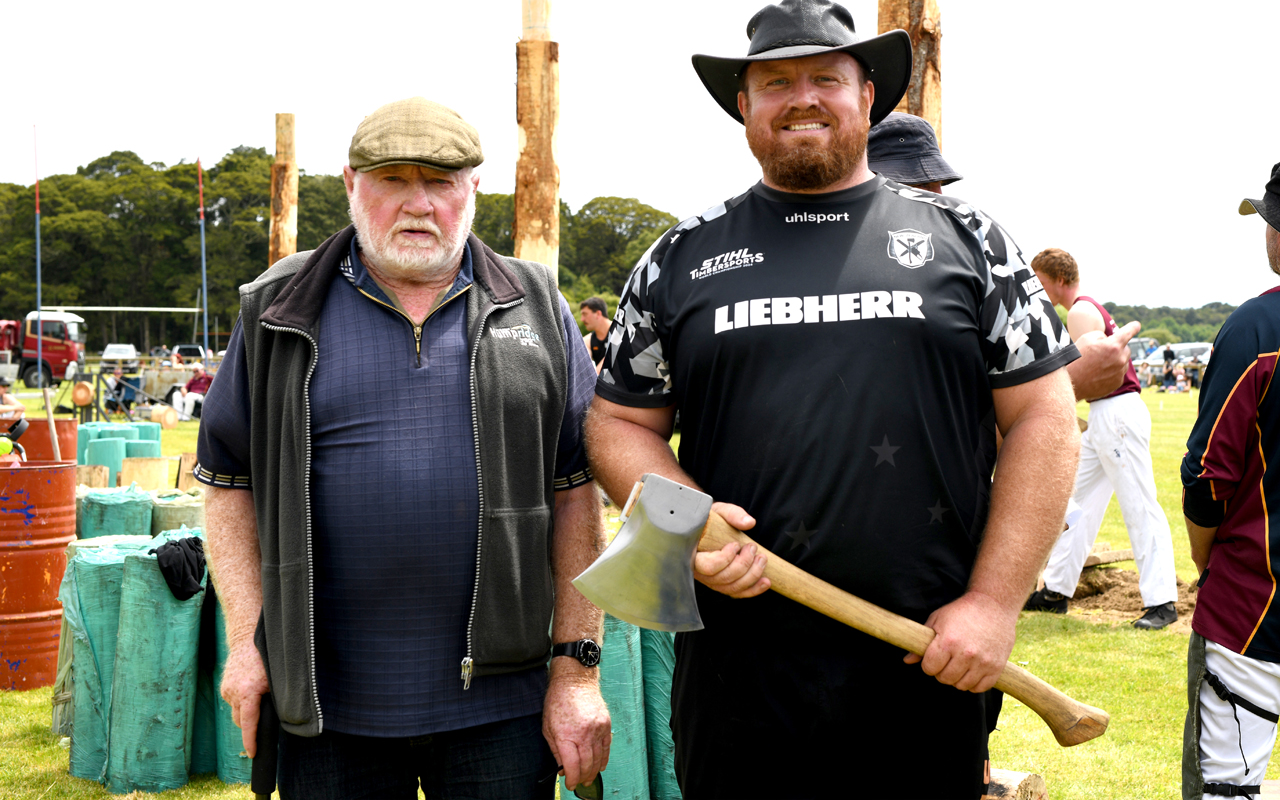 Champion axemen Kevin (left) & his son Bobby Dowling at the final Tūātapere Sports Day. They are Grandson and Great Grandson of Mick Dowling - one of a group of 23 men who set up the original Sports Meeting, held Easter 1910 - and the "main-stay" of the event for many years. Photo: Central & Western Archive
On New Years Day 2026 the axe finally fell on Western Southland's iconic Tūātapere Sports Day.
The Southland App, Central and Western Archive and Advento Photography looks back on the iconic summer event that has entertained Southland families for well over one hundred years.
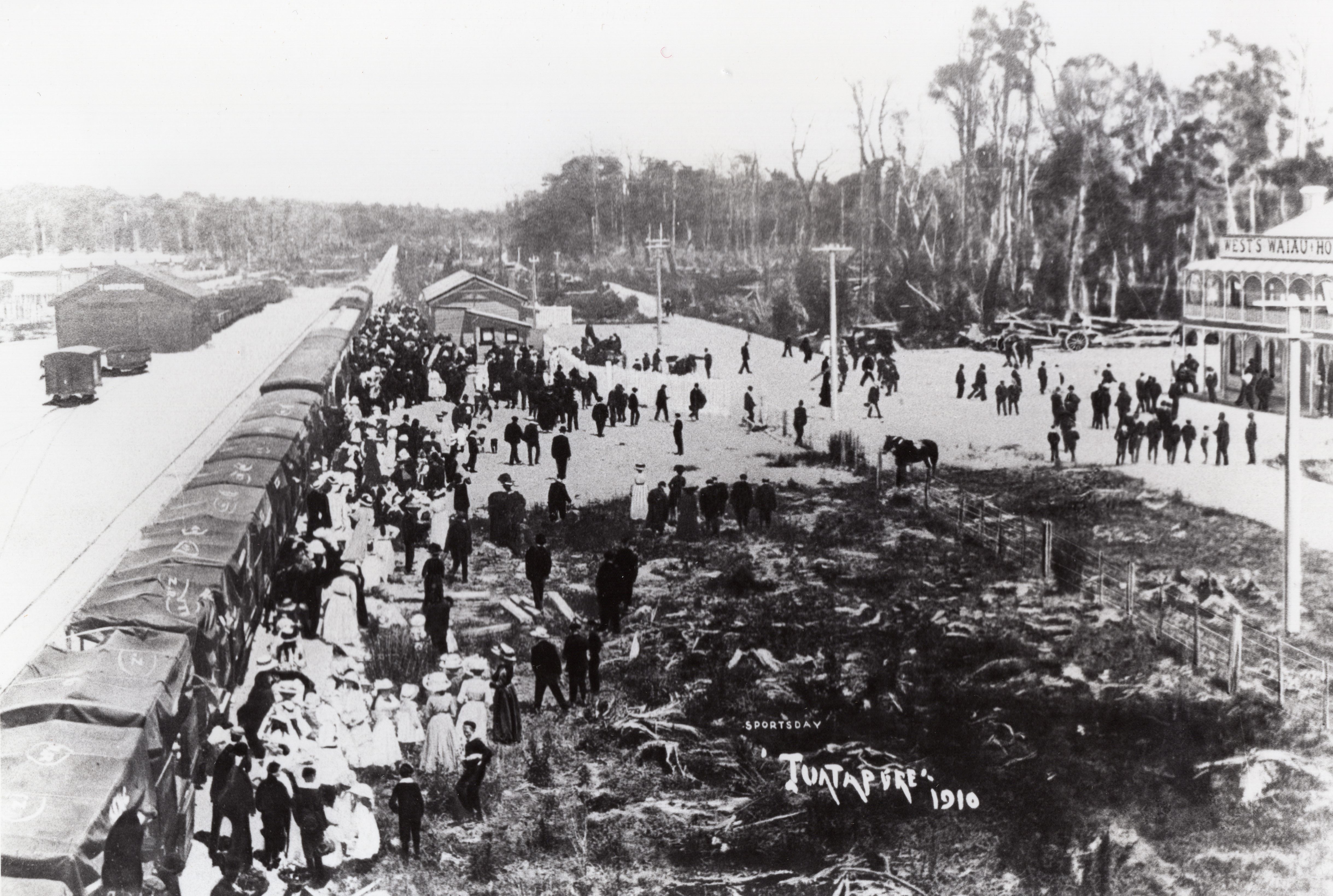
Passengers alight their train to attend the very first Tuatapere Sports in 1910. Photo: Central & Western Archive
Early last century a group of hardy Western Southland bushmen gathered with a bold idea - to form the Tūātapere Axemen's Sports Society.
Their vision was simple yet spirited—an event to celebrate strength, skill, and the rugged life of the timber country.
The inaugural meeting took place on Easter Monday, 1910, in Bill West’s paddock, and it was no small affair.
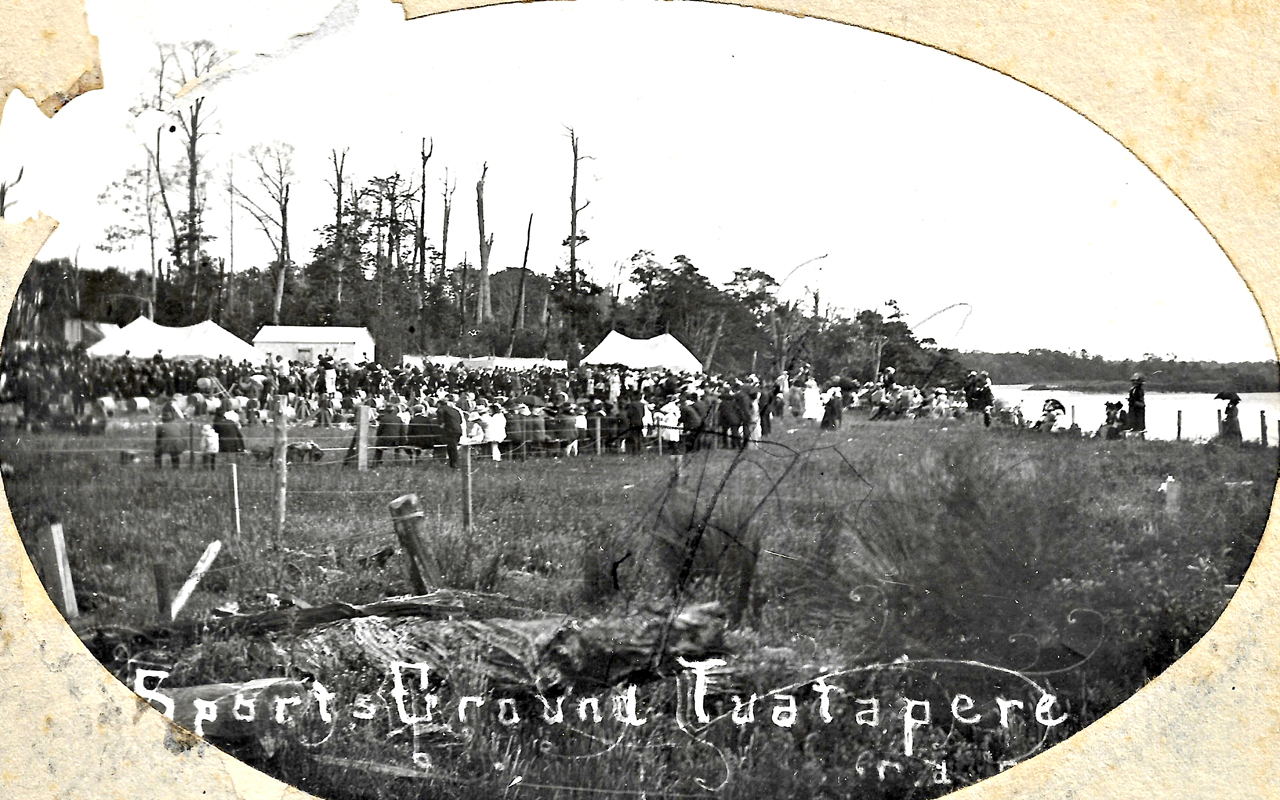
Families attending the 1913 Tuatapere Sports in Bill West's paddock. Photo: Central & Western Archive
Records tell of more than 800 eager souls boarding trains from Waihōpai Invercargill, bound for Tūātapere to witness the spectacle.
The day’s programme was dominated by chopping and sawing contests—fitting for men who made their living among the trees.
There was little room for track events, but that didn’t stop the bushmen who in true frontier fashion ran races “around stumps and other obstructions,” in a course as wild as the land itself.
Later that year (27 Dec 2010) a second gathering drew even bigger crowds.
Families picnicked under the summer sun while competitors tested their mettle.
The Waiau punt worked tirelessly, ferrying visitors across the river.
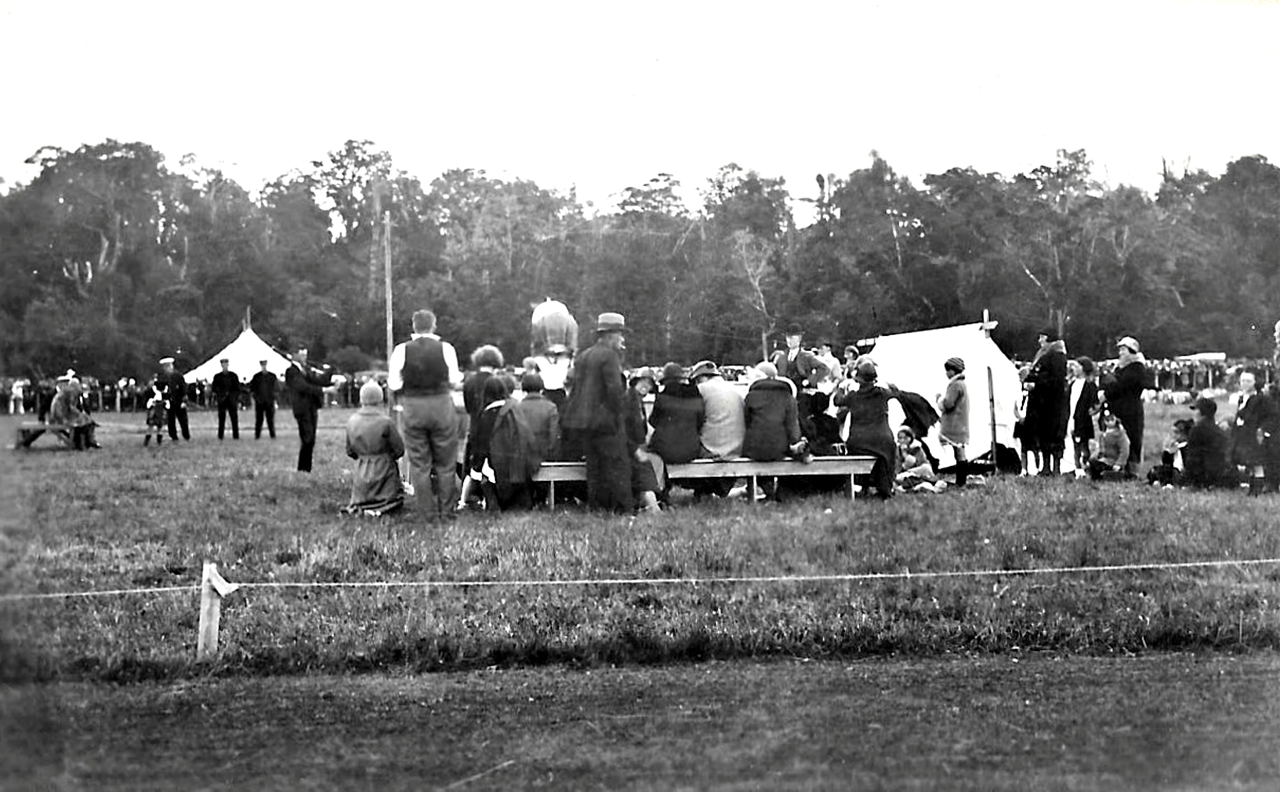
Tuatapere Sports Day early last century. Photo: Central & Western Archive
By 1911, Boxing Day became the traditional date, though the running track remained rough.
In 1912, interest in footraces had surged, and by 1913 the entertainment got a boost with the appearance of the Invercargill Pipe Band.
That same year, famed axeman Jack Pont claimed victory, cementing his place in local lore.
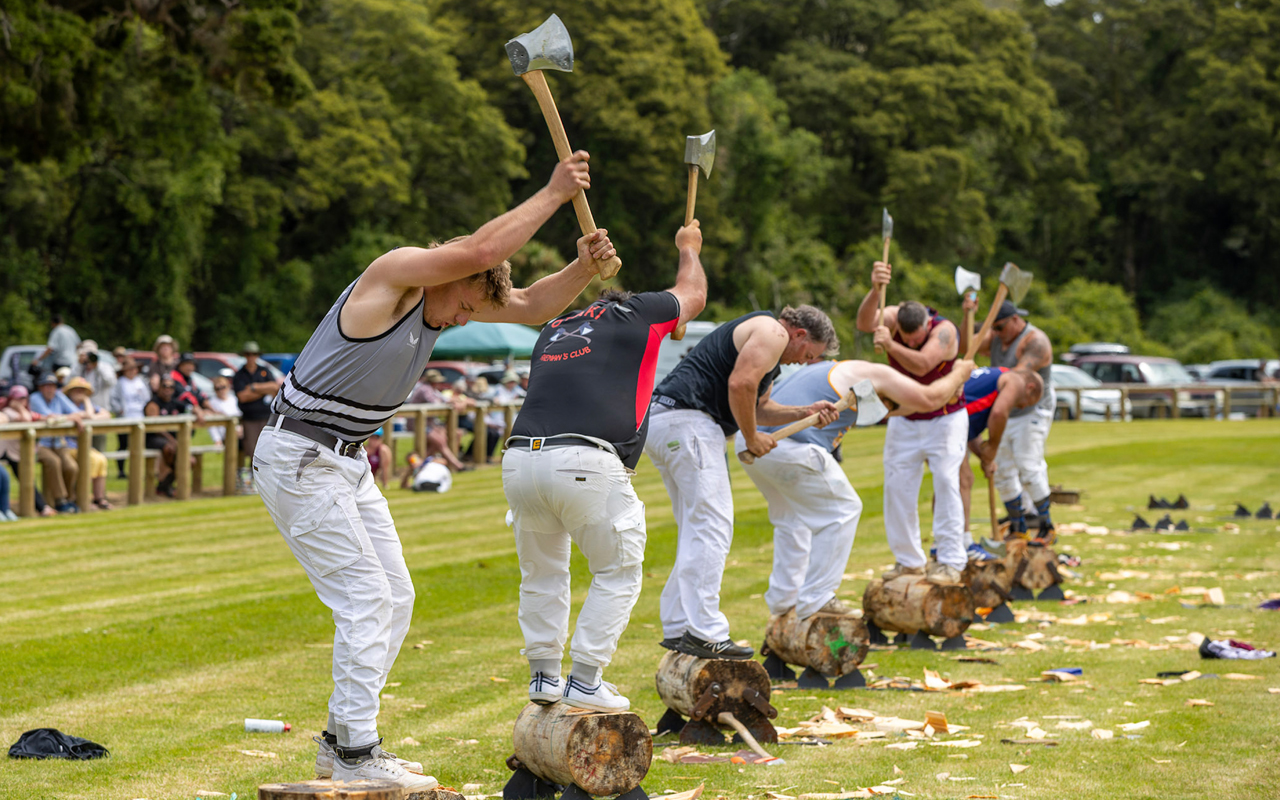
Axemen compete at the final Tuatapere Sports in 2026. Photo: Advento Photography
West’s paddock remained the event's venue for nearly a decade before moving to the current Domain grounds in 1921.
However this was not without effort, with logs and stumps “roughly cleared” to make way for the competitions.
Crowds arrived in spring carts, milk carts, gigs, and buggies, with only a handful of motorcars in sight.
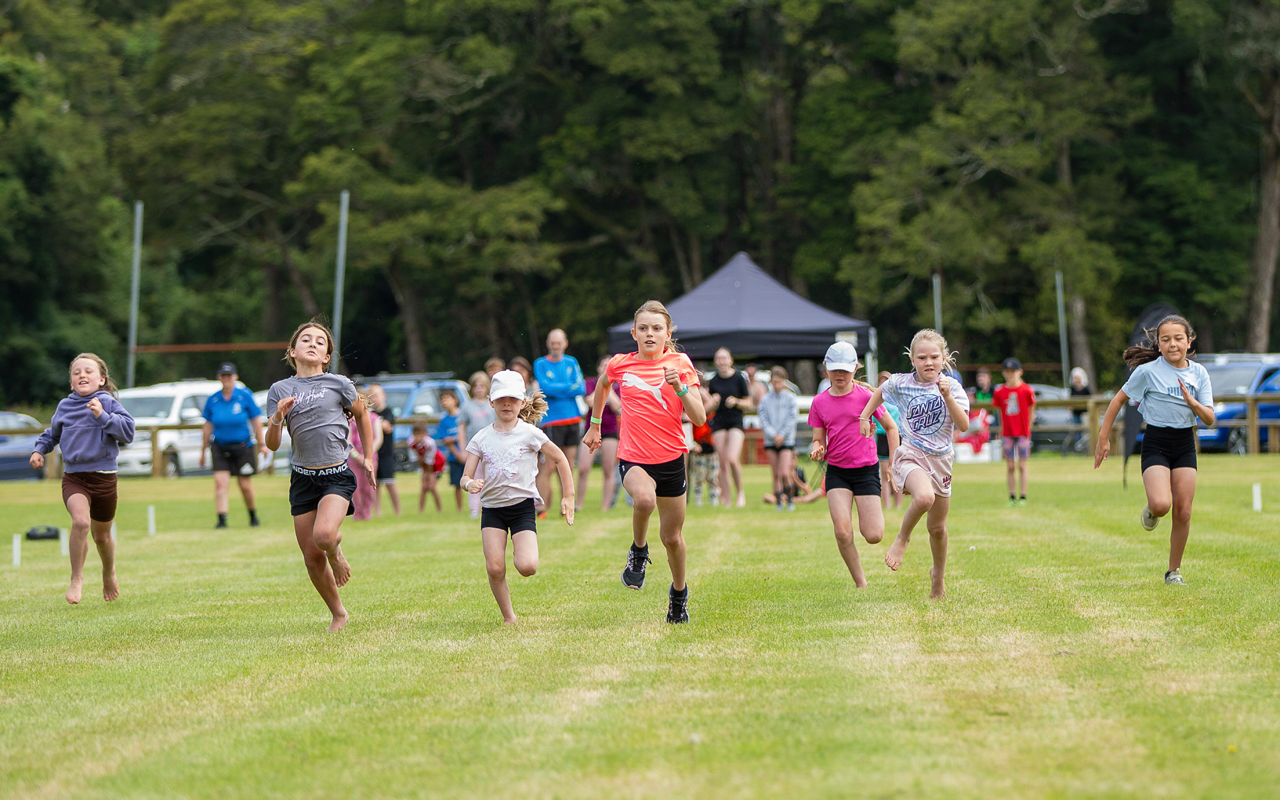
Children compete in running races at the 2026 Tuatapere Sports Day. Photo: Advento Photography
Most visitors still came by train, their excitement undimmed.
As the years rolled on, the event continued to grow as did parking.
In the 1930s a bridge was built, courtesy of local sawmillers, over the Alton backwash so that cars could park on the island, however nature had the last word - with a flood swept later the same year sweeping the bridge away and ending parking on the island for good.
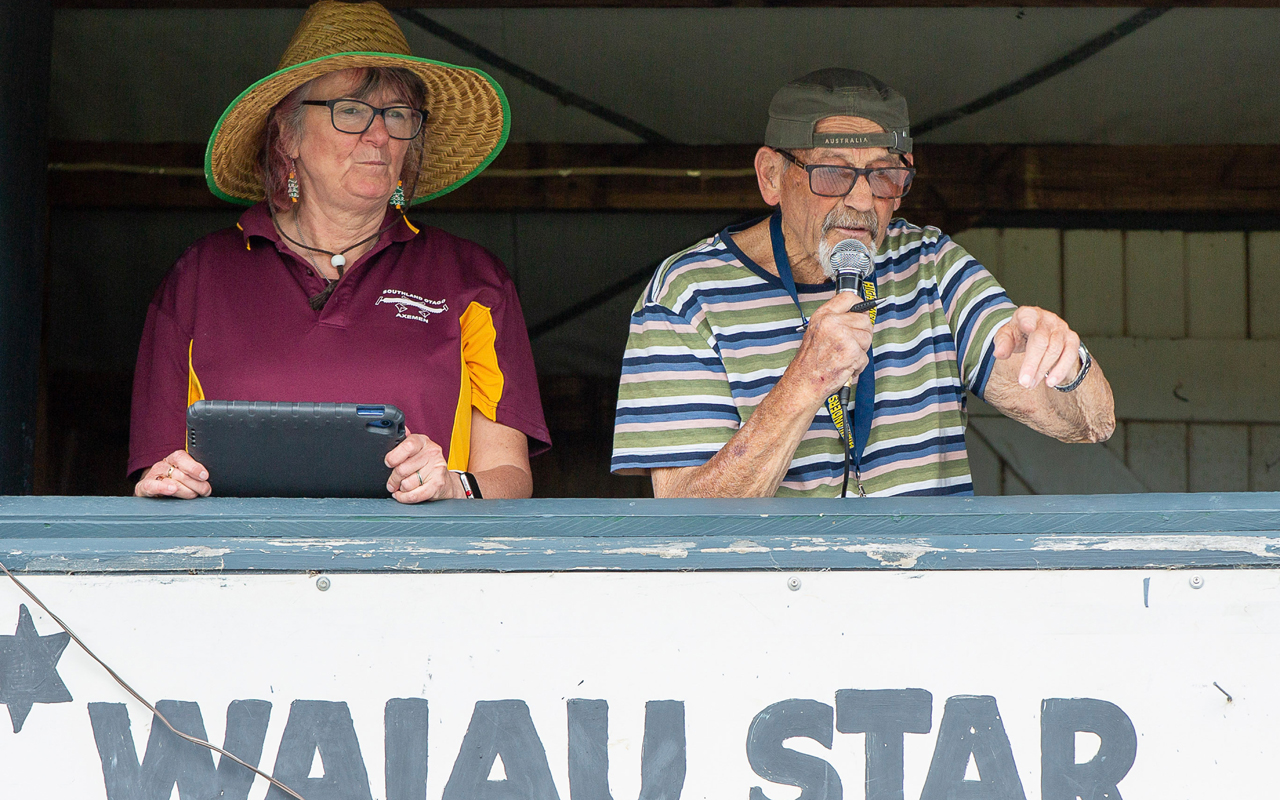
Announcer and long-time president of the Tūātapere Axemen's Athletic Society Peter Templeton (right), 78, commentates at the town's final sports day. Photo: Advento Photography
For over a century the Tūātapere sports day has been a New Year’s tradition, drawing crowds and competitors from far and wide.
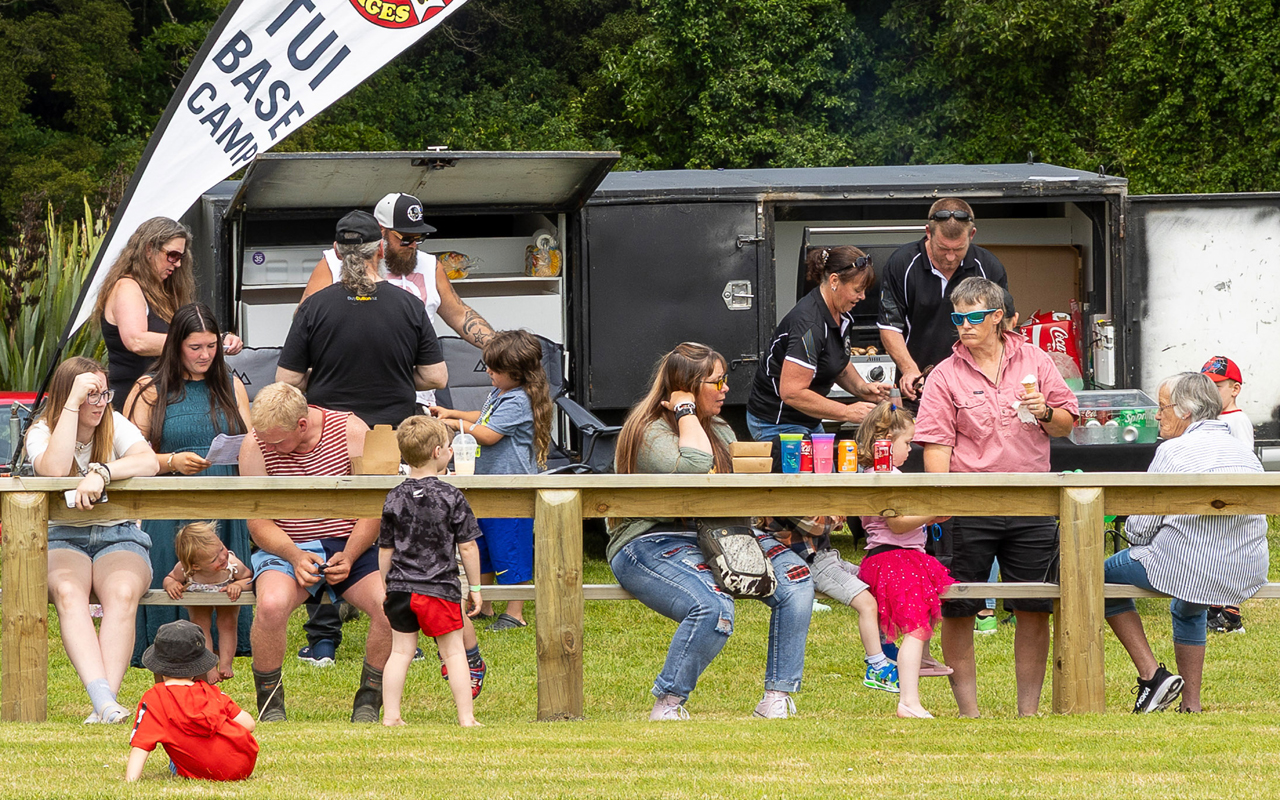
Families enjoy the sun, food and action at the final Tūātapere Sports Day. Photo: Advento Photography
While changing habits, dwindling volunteers and competition from other events have all contributed to the demise of the Tūātapere Sports, its legacy, will remain etched in Southland’s history - a testament to community spirit, hard work, and the enduring charm of a day in the bush.
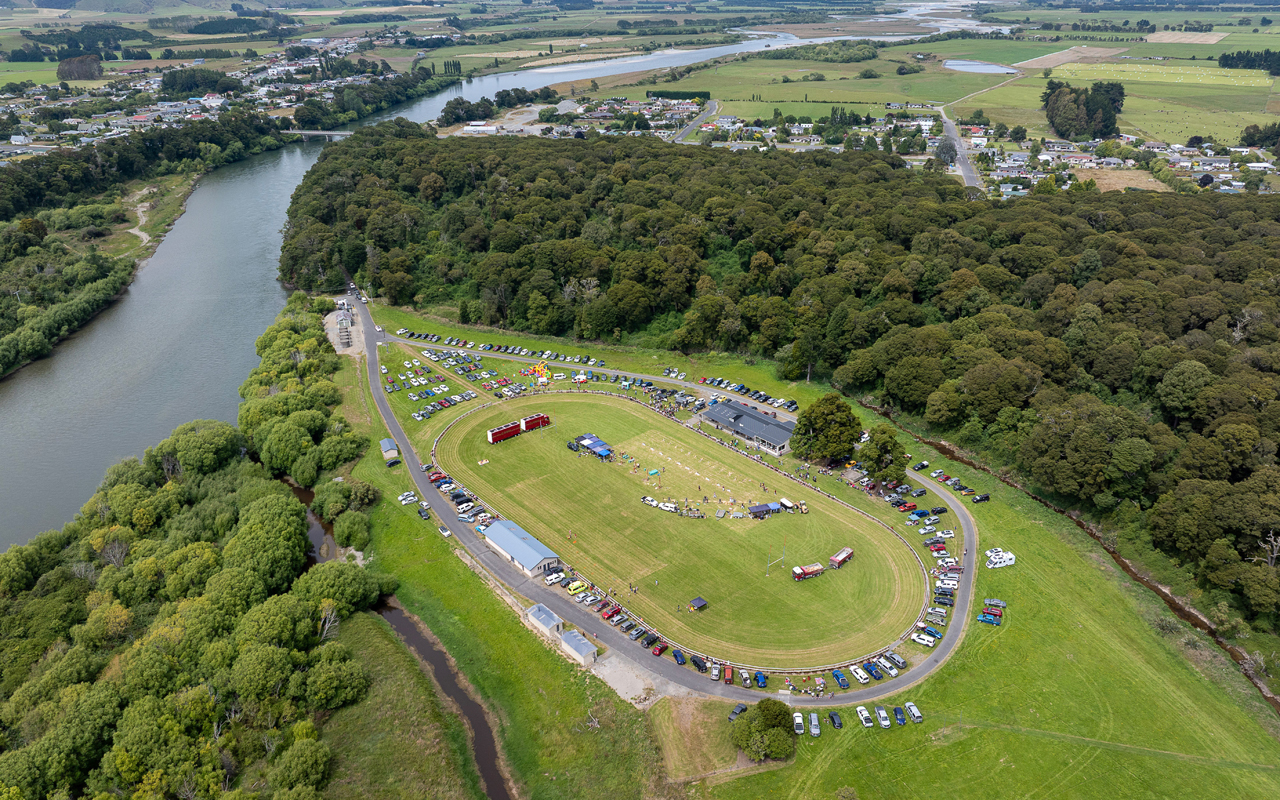
An aerial view of Tūātapere's final Sports Day. Photo: Advento Photography