


Alcohol consumption 'way too high' in NZ - health expert

Local Democracy Reporter
29 January 2026, 7:44 PM
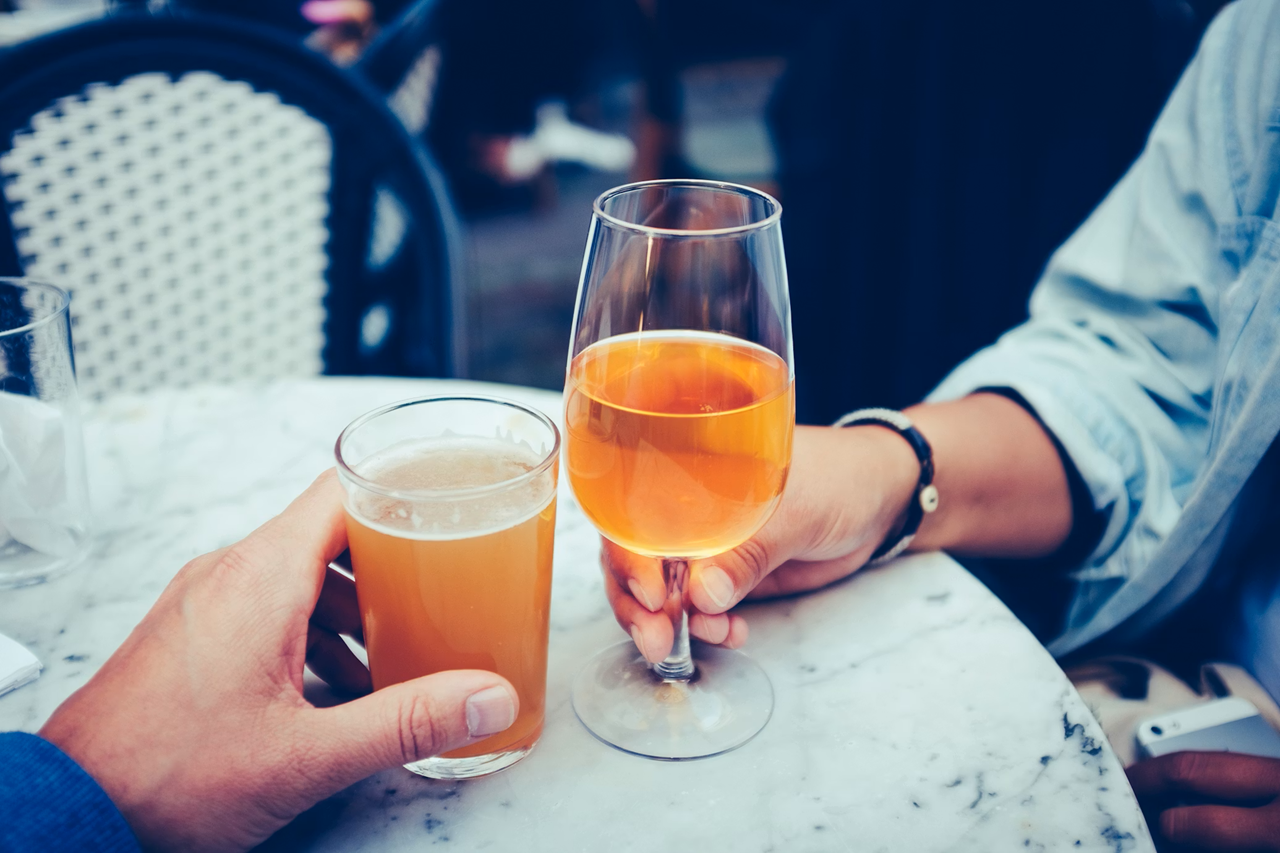 Photo: Unsplash, Mattias Diesel
A public health expert has painted a sobering picture of the impacts of alcohol on society, saying consumption needs to reduce drastically.
On Wednesday, Te Whatu Ora medical officer of health Michael Butchard presented to Southland District Council regarding its Local Alcohol Policy (LAP) - a mechanism which allows councils to set rules guiding the sale, supply and consumption of alcohol in their area.
Butchard told those gathered the harm caused by alcohol was underestimated in New Zealand, and internationally.
Every year, it caused around 900 deaths, 1250 cancer diagnoses and 30,000 hospitalisations across the country, he said.
Alcohol harm cost the economy $9.1 billion a year, and the substance was linked to more than 200 medical conditions.
"But the main point is that the burden of alcohol harm is large. It's often underappreciated, probably by the majority of New Zealanders, and it does justify an LAP that aims to do more rather than less."
Butchard said the only way to reduce chronic harms was for people to consume less alcohol.
"It's way too high at the moment. To be honest it should be less than a fifth of what our average consumption is now."
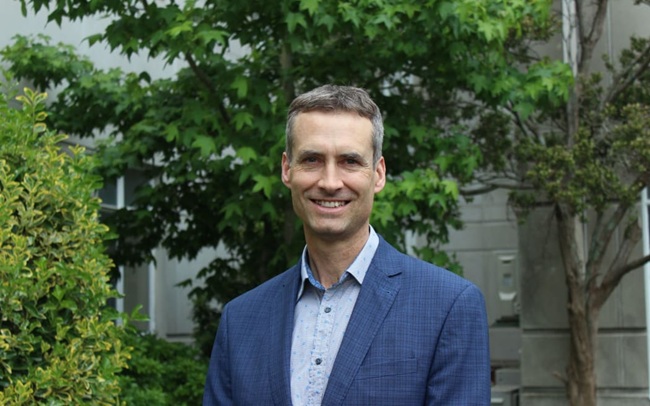
Te Whatu Ora medical officer of health Michael Butchard Photo: LDR / The Post / Robert Kitchin
.
Health New Zealand / Te Whatu Ora's submission to the council supported maximum off-licence trading hours of 9am to 9pm. The current policy has no restriction, although licence applications need to justify the requested hours.
The submission also supported extending sensitive premises to include health facilities, rehab centres, marae and fale Pasifika; plus off-licence deliveries coming with a minimum three- hour wait time.
Hospitality New Zealand head of membership Darelle Jenkins gave a different perspective, saying councils had many options for reducing alcohol harm while maintaining the benefits of hospitality.
That included through national settings and district licensing committees, which had discretion around approving licences and could issue infringements.
"We recognise that some feel hospitality contributes to alcohol-related harm in some communities, however we firmly believe that well run on-licensed environments are part of the solution to addressing alcohol-related harm in New Zealand."
Off-licences include bottle stores and supermarkets while on-licences include restaurants, bars and pubs.
Southland District Council undertook a public consultation from 3 November to 12 December for its Local Alcohol Policy.
A total of 20 submissions were received during that time, and deliberations are set for next month ahead of final policy adoption.
The council currently reviews its policy every six years but is looking to reduce that to four so it can deal with concerns faster and avoid election years.
The policy has previously been shared with Invercargill City Council but is being reviewed separately this time around.
LDR is local body journalism co-funded by RNZ and NZ On Air.