The Southland App
The Southland App
Advocate Communications
Get it on the Apple StoreGet it on the Google Play Store
Shop LocalNotices | JobsContactAdvertise
The Southland App

News


Hawthorndale Care Village appoints Lynley Irvine, marking a step from foundation to future

17 February 2026, 1:50 AM

Hawthorndale Care Village has announced the appointment of Lynley Irvine as its new General Manager, signalling a strong next phase as the Village continues to grow and enhance its daily operations.Since opening, Hawthorndale Care Village has introduced a pioneering aged care model to Southland, inspired by the Dutch De Hogeweyk approach and designed to support residents' independence within a safe, familiar village environment. With the foundations now well established, the focus is naturally turning to embedding consistency and operational excellence across the Village. Lynley joins Hawthorndale at a time of positive momentum. Her role will centre on strengthening operational practice, supporting the Village’s dedicated teams and ensuring the consistent delivery of high-quality aged care that places people at the heart of every decision. Lynley brings deep experience in aged care management, including dementia care leadership, operational oversight and team development. Her approach is grounded in compassionate practice, values-led leadership and a strong belief in enabling people to do their best work. “I am honoured to step into this role at such an exciting time for Hawthorndale Care Village,” said Lynley Irvine. “There is a strong foundation already in place, and I am looking forward to building on that work. My focus is on supporting our teams and residents as we continue to strengthen our operations and ensure Hawthorndale remains a place of care that feels supportive and truly like home.” Lynley Irvine, the new General Manager of the Hawthorndale Care Village. Photo: Supplied.Board Chair Mike Wyeth welcomed Lynley’s appointment and reflected on the organisation’s natural progression. “Lynley’s experience and values led leadership to align strongly with the direction of Hawthorndale Care Village,” said Mike Wyeth, Chair of the Board. “Following a deliberate period of establishment, this is a natural moment to embed operational excellence and long-term stability. Lynley brings a calm, people-first approach that will support our teams and ensure the Village continues to evolve with care and purpose.” Hawthorndale Care Village has quickly become a valued part of the Southland community, offering a unique and supportive environment where residents can live well and with dignity, supported by skilled teams and a strong sense of connection. About Hawthorndale Care Village Hawthorndale Care Village an aged care community based on an innovative village model designed to humanise dementia and aged care by replicating the familiarity of everyday life within a secure and welcoming setting. The Village offers a range of residential, dementia and hospital-level care alongside independent living options and community-centred amenities.

Study finds Rakiura Whitetail deer more suspectable to 1080

17 February 2026, 1:33 AM

Rakiura's white-tailed deer are more susceptible to eating a lethal dose of 1080 bait pellets than other deer populations in New Zealand, a recently published study commissioned by Predator Free Rakiura has found.The study, conducted by the Bioeconomy Science Institute (formerly Manaaki Whenua – Landcare Research), took place during a Department of Conservation aerial predator control operation in August (2025) to protect pukunui/Southern New Zealand dotterel.The DOC operation, which included 4 of the 35 bookable hunting blocks on Rakiura, successfully reduced feral cats, rats and possums to very low levels across approximately 40,000 hectares of Rakiura National Park. The study, which included consultation with experienced local hunters and national hunting groups, also found the use of deer repellent only slightly reduced the impact on the deer. DOC said white-tailed deer were not a target species for the project, and prior to this study, there was limited research on the Rakiura herd.Bait pellets containing deer repellent were used in the hunting blocks, while standard 1080 bait pellets were used elsewhere in the operational area. Banded Southern New Zealand Dotterel. Photo: Supplied.A network of 242 movement-activated trail cameras monitored deer before, during and after the predator control operation. The report found there was on average a 75 per cent reduction in deer detections by cameras in the deer repellent area in contrast with a 97 per cent reduction in the wider operational area where standard 1080 bait pellets were used.   These reductions in deer activity are higher than have been observed in some deer monitoring studies elsewhere in the country.The report outlines some likely causes, including low natural food availability, meaning the deer were hungry and more likely to eat the bait pellets, and the small size of white-tailed deer making them more susceptible to eating a lethal dose of 1080.   Another probable factor is a lack of herd exposure to 1080 bait pellets previously, meaning the Rakiura white-tailed deer were less cautious of the baits than in areas where there have been multiple 1080 predator control operations, DOC said. DOC Director Biodiversity National Programmes Ben Reddiex said the study contained valuable research that was being discussed with the Rakiura community and national stakeholders.   “It was expected that there would be some by-kill of white-tailed deer as they are known to sometimes eat 1080 bait pellets, but it was unclear what the extent would be."“The impact was higher than anticipated, however the large majority of the Rakiura white-tailed deer population was unaffected, and deer will gradually re-enter and repopulate the operational area."“There has been robust engagement with hunters, hunting groups and other stakeholders, and this will continue as we work towards implementing Predator Free Rakiura,” Reddiex said.The president of the Rakiura Whitetail Trust, Adam Fairmaid, says the research shows a big challenge for Predator Free Rakiura going forward.   “Unfortunately, the operation resulted in a high mortality rate of white-tailed deer in the study area. Our bottom line is that we need a viable whitetail population on Rakiura.""The Department of Conservation has assured us that they will work with us to find a solution.”It is estimated that white-tailed deer will be widespread throughout the operational area in low numbers within one year, and back to pre-operational levels in three-four years. This is based on other studies of population recovery for white-tailed deer and red deer.Reddiex said Rakiura still had a widely distributed population of white-tailed deer.“This is shown by the consistent deer detections in the adjacent monitoring area where 1080 wasn’t used, and the deer detected by cameras at the edge of the operational boundary.”DOC will monitor white-tailed deer as they move back into the operational area, using an existing network of trail cameras that is also monitoring feral cats.Meanwhile, with feral cats, rats and possums reduced to very low levels in the operational area, pukunui have been able to have a successful breeding season on the Rakiura mountain tops. “We’ve counted 37 chicks and 80 eggs across 36 nests which is a huge result as the population was down to 105 birds last year, largely due to predation by feral cats. “We won’t know the total pukunui population change until April when the team does the annual flock count, but all signs are pointing to a vital population boost for a species on the brink of extinction.”  There are no aerial 1080 predator control operations planned on Rakiura in 2026 following the successful predator control operation, and while Predator Free Rakiura considers the next steps for the project following a predator eradication trial last year.Forest and Bird celebrated the results of the Rakiura predator control programme saying it opened the door to future ecological restoration including the potential return of kākāpō to their former natural home.  

Southlanders battle 43degree heat & 'things that want to bite' fighting Australian bushfires

16 February 2026, 10:20 PM

They endured searing heat at times reaching 43degC beating down hotspots and flare-ups, clearing tracks blocked by fallen charred trees and dealing to those still falling, all this in full firefighting kit while on alert for poisonous snakes, spiders and nasty biting ants.The second batch of 20 Kiwi firefighters – three from Southland, including Hedgehope Fire Chief Ken Keenan, returned home on Saturday, after a two-week stint based in remote Tallangatta, Victoria, where the devastating mass fires that started in early January are still burning in places.The 20-strong Bravo taskforce of South Island firefighters also included a DOC fire crew and two Forestry workers, along with a Field Liaison Officer and Jurisdiction Liaison Officer.FENZ Northern Southland group manager Area Commander Hamish Angus, left, and Hedgehope Fire Chief Ken Keenan, right, plotting a report of a flare-up which their crew responded to. Photo: SuppliedThey set off at the end of January replacing the Alpha crew, which also contained two Southland firefighters, both from Hedgehope, who endured sizzling temperatures as high as 48degC, at times working up to 14 hours a day.Fire and Emergency New Zealand Northern Southland group manager Area Commander Hamish Angus says the 120,000ha fire ground Bravo was assigned to had a perimeter of more than 400kms.It was Angus’s eighth such deployment and he says he’s still learning.“Our job was initial attack responding to any flare-up with a Toyota Landcruiser smoke chaser,” he says.“We spent a lot of time clearing and opening tracks, getting roads safe and open to the public and assessing the danger from still falling charred trees.“They could fall in the wind or collapse at any time,” he says.New Zealand firefighters with the tools of their trade. Matt (Canterbury) and Greg Robertson (Blackmount), left, and Ken Heenan (Hedgehope) and Marcus Hammett (Arrowtown), right, flank two Australian firefighters (in green). Photo: Supplied"Some of our crews went through ahead clearing the tracks wide enough to get a truck through and spray marking the trees that needed felling.""Our advanced tree fellers then went through to perform the drop, followed by a digger to clear the larger trees off the tracks.”The Kiwi crews all had extensive experience fighting fires in dangerous conditions and extreme heat and were carefully selected for that reason.Keenan too was on his eighth such deployment and proud that three of his Hedgehope crew were chosen.“We’re always very pleased to get selected. We class it as a real honour,” the fire chief of 22 years says.Angus, who led the Bravo taskforce, says it was humbling to have the Air NZ crew announce on board Bravo’s flight over that the Kiwi firefighting contingent was on board and the whole plane erupted into cheers and applause.New Zealand firefighters (yellow) join up with Canadian firefighters (brown) and Australian firefighters (green) to record their time at the Victoria, Australia bushfires. Photo: SuppliedAussie crews and the local communities were extremely grateful: “The communities over there couldn’t thank us enough,” Keenan says.“It’s a chance for the Aussie crews to have some time out and recharge.""These fires will burn on for months and they were exhausted.”It was dangerous work, but the Aussies had good support, including St John Ambulance crews on standby watching their backs with stressed gum trees spontaneously dropping large heavy branches around them on a regular basis.“We had the odd near miss,” Keenan says.“Adjusting to the heat was the biggest thing, getting those fluids and electrolytes into us,” Angus says.Firefighters prepare for another day battling Victoria, Australia's bushfires. Photo: Supplied“You’re perspiring constantly, your body’s adjusting.""It takes two or three days before your body goes, “Geez, hang on a minute! You’re not in Southland now!”Dehydration and headaches settled after the first few days “then you’re into the groove”, Angus says.Thankfully, nobody suffered severe heat stroke, but Keenan says a few firefighters had to be parked in some shade to rest while they got their fluids up.The heat, the sheer size of the fires, snakes, kangaroos and large spiders were all added dangers with the emphasis over there on dry firefighting methods using tools like chainsaws and axes due to the lack of water, unlike Southland.Heavy machinery was used to cut fire breaks and firefighters sometimes went in ahead, lighting controlled burn-offs to protect areas that the wildfires were approaching.Blackmount's Greg Robertson, right, along with fellow New Zealand firefighter, Matt, douse down a hot spot. Photo: SuppliedThey kept an eye out for any injured, stressed wildlife calling in help when they weren’t likely to survive.Besides the Huntsman spiders “the size of your hand”, Hedgehope’s Brodie Butcher, on his third deployment during Alpha, copped a nasty bite from a Jumping Jack – Aussie ant.“Everyone’s well trained in similar situations and we’re always looking out for each other,” Keenan says.“We’ve got each other’s back because we have to.”They brought back invaluable experience in working with new crews. “You learn to trust your crew straight away – that’s big thing.”The Kiwi experience was invaluable too with Southland rural firefighters well accustomed to fighting fires in remote terrain, Butcher among those helicoptered in on a Remote Area Fire Team (RAFT) to a new fire in 5ha of bush at Dartmouth Dam.For first timer Greg Robertson from Blackmount – a Fiordland tourism operator, there was so much to learn.“I wasn’t sure what to expect but I knew there would be big, long hot days and potentially things that want to bite you,” he says.The heat was “the biggest shock”, not only working in full firefighting kit but with protective chainsaw chaps over their legs.The New Zealand firefighters camped under canvas within a large air-conditioned marquee. Photo: Supplied“The biggest thing I learned was working with different skill sets and understanding people’s capabilities,” he says.“Because you’re working on such large-scale fires you need to find out very quickly where any flare-ups are so we were using FireMapper to get the exact grid reference.""It’s a good piece of kit to have and in the process of being rolled out in New Zealand.”Dry lightning was also another first for Robertson – a big cause of fires in Australia.“The second night we had a massive dry lightning strike, but rain only fell up in the hills.”They camped in tents pitched inside a large marquee on a sports ground but even with air conditioning running inside it the marquee was too hot to enter until about 9pm.Southern firefighters before their deployment with the Bravo contingent. Photo: SuppliedRoberston says they were issued with air plugs, but it was a race to get to bed first “before the chainsaws (snorers) started up”, two Canterbury women in the crew subjected to the racket too.Hedgehope’s Thomas Brock, also on Alpha, was also a first timer.All the crew members say they’re extremely grateful to their families, workmates, staff and friends for holding the fort while they were away, whether on the farm, building site, at home or in the business.And for those whose wives and partners stepped up, they assure those belated Valentine’s dinners are coming!Sue Fea is a senior journalist with more than 40-years experience covering police, social and general news in the southern regions.


The southern beach battling asbestos

16 February 2026, 12:25 AM

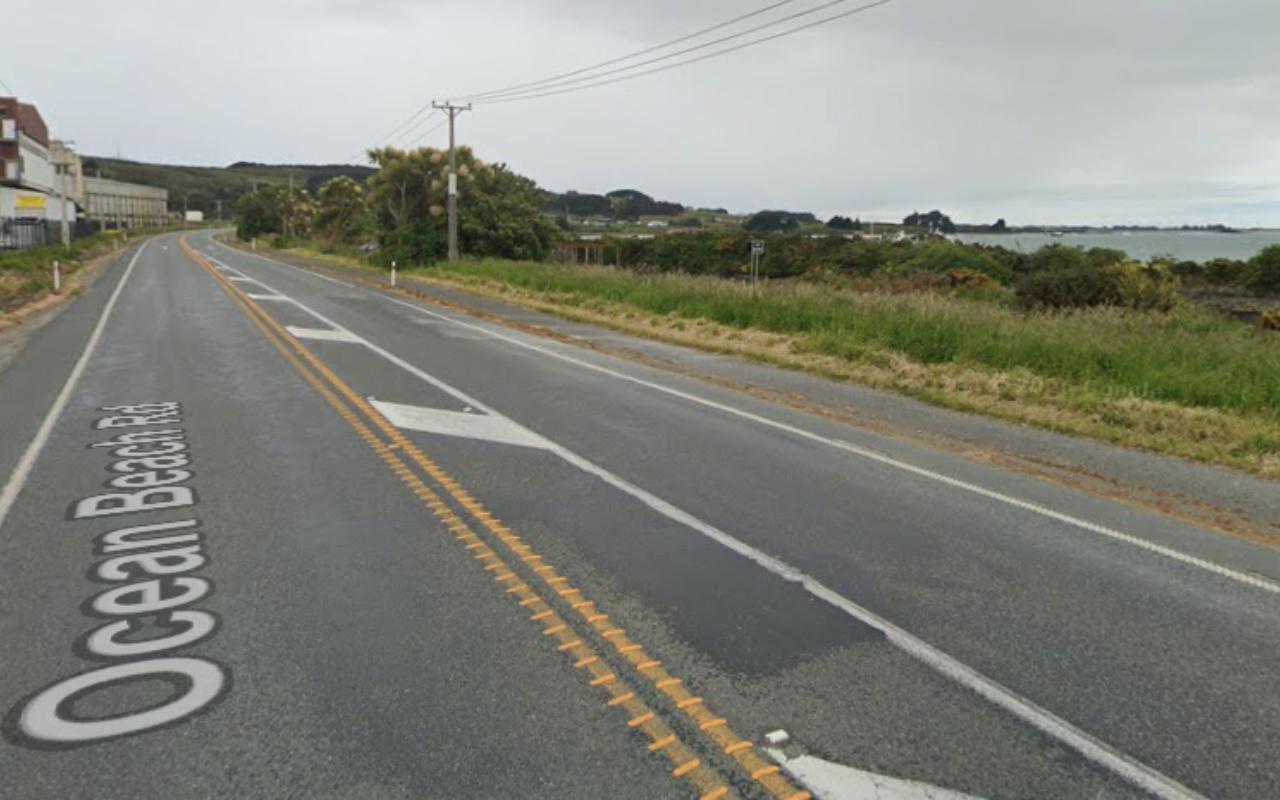
Further work could be required to protect a Bluff beach from old waste such as asbestos, despite tonnes of material already being removed.In August, Ocean Beach re-opened to the public following closure in 2018 due to contamination from an historic landfill.But recent work to protect the area — including construction of a seawall — may not be the end of the road.A report prepared by council manager Rhiannon Suter for the Bluff Community Board last month hinted at remediation work continuing into the future.“Significant” amounts of asbestos needed to be removed and up to 30 - 50 years of work was forecast, Suter wrote.The comments follow a multimillion-dollar project last winter to remove 9,000 tonnes of material from the landfill and build a 90m rockwall, which took up to 6,500 tonnes of rock.Council acting group manager Russell Pearson explained the seawall was designed to protect the area of the landfill most vulnerable to erosion for up to 100 years.But the landfill reached other areas not directly protected by the seawall, he said.“These areas are currently contained, however long-term modelling on erosion risk relating to climate change and potential sea level rise shows that additional work and further investment may be required over the next 30-50 years.”DOC operations manager Murihiku John McCarroll said contaminants, including asbestos, were first reported at the beach in 2018 and 1.2 tonnes of material was removed.The site was found to be at risk of further erosion which could release more contaminants, although the risk to public was considered low, McCarroll said."The beach is open, and is regularly monitored for further contaminants."Located just outside Bluff, Ocean Beach is situated near an old freezing works site which is now home to aquaculture and a distillery.Work to protect the area has been funded by DOC, the Ministry for the Environment, and Invercargill City Council.LDR is local body journalism co-funded by RNZ and NZ On Air.

First kākāpō chick of season hatches on Anchor Island

15 February 2026, 11:20 PM

The first kākāpō chick of the breeding season has hatched on Pukenui Anchor Island.Kākāpō Yasmine hatched an egg fostered from kākāpō Tīwhiri on Valentine’s Day (14 Feb), bringing the total number of kākāpō to 237 – though it won’t be officially added to the population until it fledges.DOC Operations Manager for kākāpō/takahē Deidre Vercoe said the first chick of the breeding season was an exciting moment on the long road to recovery for this critically endangered species.“These exceptionally rare taonga only breed every 2-4 years, so it’s a long time between chicks. We have more breeding-age birds than ever before this season, so we’re anticipating many more chicks to come.”Vercoe said fostering eggs and chicks between different kākāpō mums is one way to improve nest success rates.“Kākāpō mums typically have the best outcomes when raising a maximum of two chicks.""Biological mum Tīwhiri has four fertile eggs this season already, while Yasmine, an experienced foster mum, had no fertile eggs.”Kākāpō face a range of challenges with low hatching success being a key obstacle.So far this season there are 187 eggs, and 74 of them are fertile. Of those, not all will hatch, and not all chicks will survive through to fledging.“The kākāpō population was once down to just 51 birds which created a genetic bottleneck we are still managing today,” Vercoe said.“Kākāpō are one of the most intensively managed species in the world and while numbers are still so low, the breeding season requires a lot of intervention.“Priority goes to the eggs and chicks that are less well-represented across the gene pool, and we have a more hands-off approach with those that are well represented. This approach helps us answer questions around what a natural breeding season might look like one day.”Te Rūnanga o Ngāi Tahu representative on the Kākāpō Recovery Group Tāne Davis said the hatching of the first kākāpō chick of the season on Pukenui Anchor Island was a welcome milestone of special significance to Ngāi Tahu.“Pukenui Anchor Island serves an important purpose in accommodating the growing numbers of not only kākāpō but other critically endangered taonga species."“While it is wonderful to see the manu thriving on this island due to its predator free status, we need to continue our collective efforts to create other safe havens for the chicks of the future."“One of our future aspirations through Predator Free Rakiura is to return the kākāpō back to its original home,” Davies said.Until that happens, the best way for people to see a kākāpō is Kākāpō Cam, a live camera streaming from the nest of a female named Rakiura, on Whenua Hou / Codfish Island.The camera was first trialled in 2022, and Deidre Vercoe says the team is thrilled to have it up again for breeding season. “Kākāpō cam is a great way for people to see conservation in real time and do their own little bit of naturing from their home, office or wherever in the world they might be,” she says.Rakiura is currently sitting on two eggs, and all going well, her first egg is due to hatch in about a week, which could mark a world first opportunity for viewers to watch a chick from one of New Zealand’s most elusive species hatch, live in its nest.The Kākāpō Recovery Programme has been supported since 2016 by National Partner Meridian Energy.

Sh99 - Upcoming road closure

15 February 2026, 10:29 PM

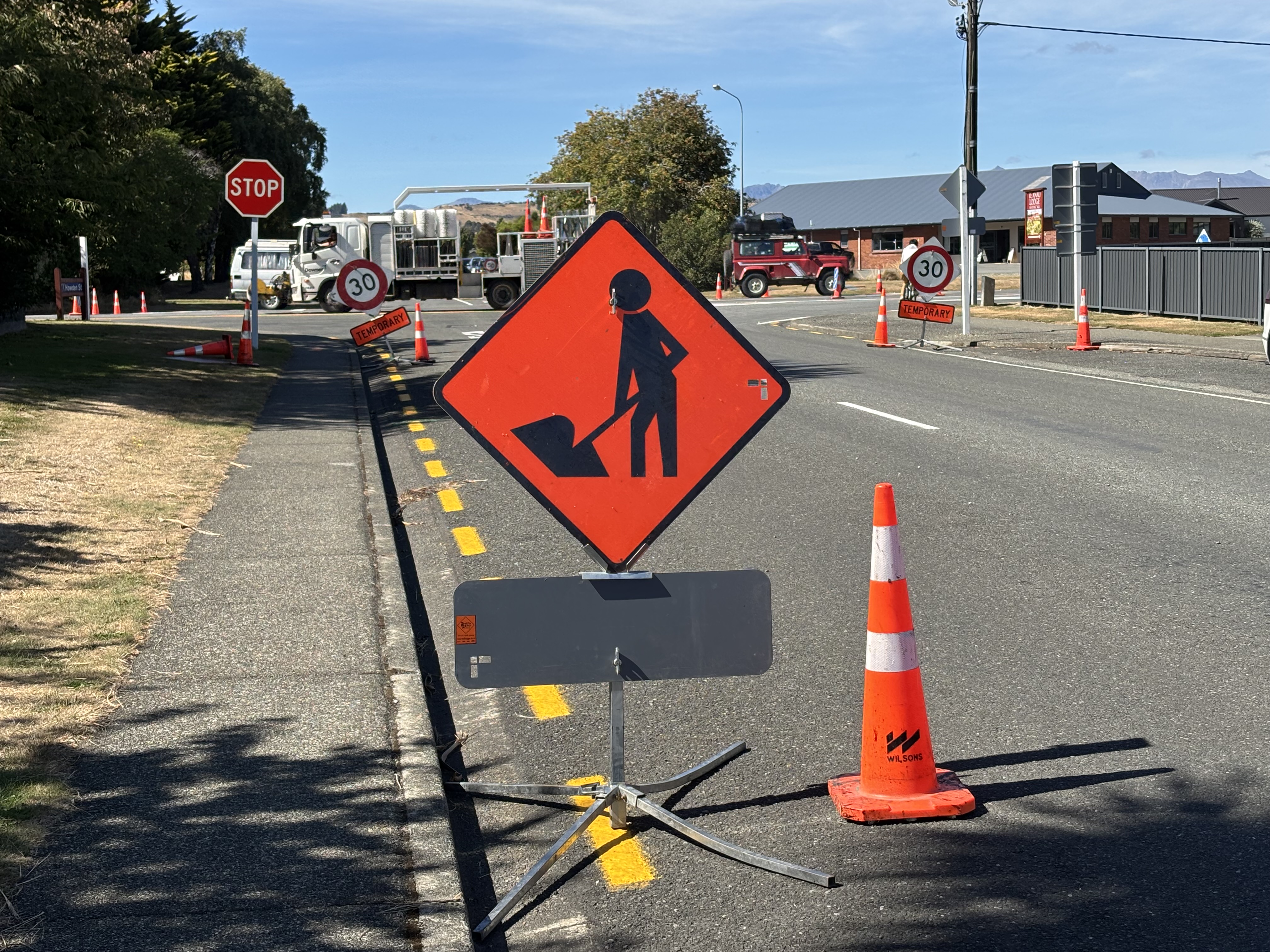
Beginning on 23 February, our crews will be starting culvert strengthening and highway renewal work on a 1.3km stretch of SH99 (Wallacetown–Lorneville). This work will help improve both the condition of the highway and flood resilience in the area.The section we’ll be working on is between Ryal Bush–Wallacetown Road and Underwood–Linds Bridge Road, and includes digouts, drainage improvements, pavement excavation, resurfacing, line marking and culvert strengthening. We know this work will cause some disruption, and we really appreciate your patience while we get it done. Here’s what to expect: Phase 1 – Culvert strengthening and drainage work23 February – 9 March (approx.)FULL CLOSURE of SH99 between Ryal Bush–Wallacetown Road and The Grocer Lorneville, in place 24/7 for around two weeksDetour for all vehicles via Ryal Bush–Wallacetown Road / Collinson Road / SH6 Winton–Lorneville HighwayResident access maintained:East side of Old Main Road up to 329 Wallacetown–Lorneville HighwayWest side of the Makarewa River up to Old Main RoadBoth will be managed by the on-site traffic controllerEmergency services will use the same detour and access routesBusinesses between Steel Road and Ryal Bush–Wallacetown Road remain open and accessible Phase 2 – Highway renewal9 March – early April (approx.)One lane open between Ryal Bush–Wallacetown Road and Underwood–Linds Bridge Road, managed by temporary traffic lightsExpect delays of 15–20 minutes, especially at busy timesResident access maintained, managed by the traffic controllerEmergency services access remainsA 30km/h temporary speed limit will be in place at all timesThis is important for everyone’s safety and to protect the freshly prepared road surface—speeding can cause damage and lead to additional delays for repairsOur team will be doing everything they can to get this work completed as quickly and safely as possible. Weather and ground conditions can cause delays, but we’ll let you know if anything changes significantly.If you have any questions or concerns, please feel free to get in touch.Wallacetown renewal closures. Image: NZTA

Moonshine Trail celebrates 20th year

14 February 2026, 7:55 AM

The MLT Moonshine Trail celebrated its 20th year in style at Dolamore Park on Saturday (February 14).The Active Southland-run event was first staged in 2006 and over the past two decades has grown into the province’s largest mountain biking and offroad running event.Active Southland communications manager Nathan Burdon said a huge amount of effort went into the event.“You’ve got the landowners who provide once-a-year access to their properties, the amazing volunteers from the Hokonui Mountainbike Club who prepare the trails and course, Gore District Council staff who ensure Dolamore Park is in pristine condition and our long-standing naming sponsor the MLT,” Burdon said.“From our perspective, we pull in Active Southland staff from across our organisation to help out and ensure everyone has a quality experience on the day.”Participants were rewarded for their efforts with a commemorative 20th anniversary medal, while one lucky entrant went home with a new mountain bike courtesy of sponsor CrossRoads Cycles.About 450 participants took part across the biking, running and walking categories. Mild, overcast conditions were perfect for those taking part in the longer events.Josh Haggerty, fresh from helping Josh Burnett win a third Tour of Southland last month, provisionally won the open men’s 50km mountain bike event, with Zara Mackley winning the women’s category.Gore’s Nic Sowerby won the men’s 39km event, with Invercargill’s Tracey Hamiltonw winning the women’s race.Invercargill’s Andrew Brown won the 30km category and was the first veteran rider home, with Gore’s Hannah Wilson winning the women’s category.Dunedin runner Kristy Eyles won the women’s 15km trail run, with Invercargill’s Craig Iverson the first male runner home.Gore junior runner Lily Wiegersma won the women’s 5km race in 24min 20sec, just ahead of fellow junior Freya Gilmour.Following their successful introduction last year, the family-oriented 2km walk and bike events and the Hokonui Mountain Bike Club’s 12km Explorer category provided opportunities for a range of ages, abilities and fitness levels.

Young hikers rescued near Homer Tunnel after atrocious night out

13 February 2026, 3:07 AM

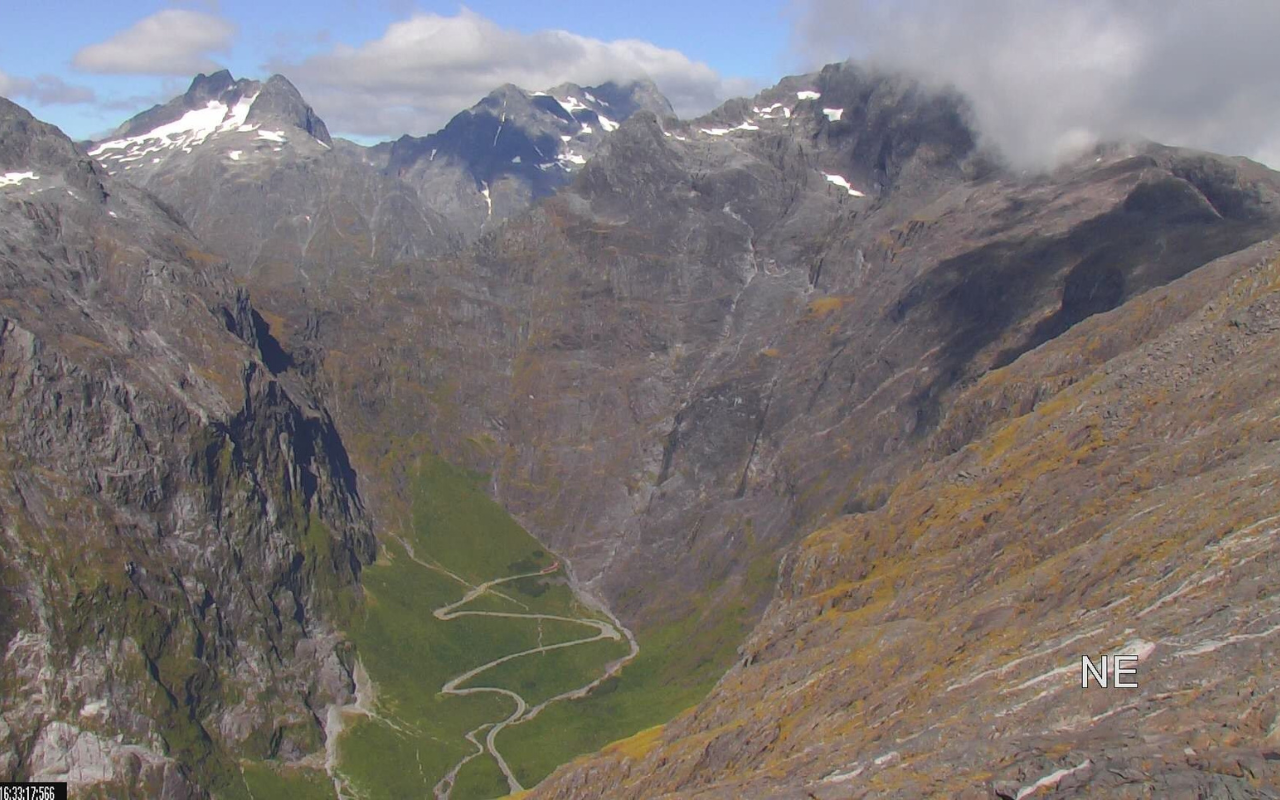
Rescuers and Police are warning not to rely on social media after two young Israeli hikers were finally rescued from high on Barrier Knob near the Homer Tunnel at Milford early this morning with Police calling in specialist alpine cliff rescue experts from Queenstown.Southern Lakes Helicopters attempted to fly in to rescue the tourist couple – a woman and man in their mid-to-late 20s, on Thursday night but “horrendous weather conditions” meant they couldn’t undertake the rescue, Police Southland SAR coordinator Sergeant Alun Griffiths says.The alarm was raised around 7.40pm when the pair managed to find a pocket of cellphone coverage and they were finally retrieved late this morning.Wakatipu Alpine Cliff Rescue Team coordinator Karl Johnson says they were trapped behind rocky bluffs high at 1796m beyond a large, steep snow slope.“There was another rocky point at the opposite end of the snow slope which they couldn’t get across,” Johnson says.“This was another case of taking advice from social media,” he says.“They were on the right route and diverted to another route after seeing that on social media.”Social media had given them misleading directions, and they didn’t have the equipment or knowledge to be attempting what they were doing, Johnson says.Five specialist Alpine Cliff Rescue Team members flew in with Heliworks early this morning once the conditions eased sufficiently after the pair had been forced to spend the night out in freezing conditions.“There were severe winds overnight, it was freezing with temperatures dropping and heavy rain. Wind gusts were up to 130knots up there during the early hours of this morning,” he says. Johnson wasn’t prepared to put his team in overnight on foot in those conditions, he says.It’s understood winds were gusting some 160km/hr round nearby McKinnon Pass.The pilot hover offloaded the rescuers onto a rock ledge early this morning and Johnson says they set up ropes across the snow slopes retrieving the pair one at a time before the pilot winched them all out.“We were prepared for a HEC deployment using a long line with all the equipment but managed to get them out with ropes across the snow.Those are big permanent snowfields up there.”Johnson says the pair were totally unprepared for those conditions and that terrain.“They were very cold after spending the night up there.”A local LandSAR team member was also involved on the ground, and two others were on standby.Johnson and Griffiths say it’s imperative that people get their information from reliable sources before heading into the backcountry and mountains.DOC, NZ Alpine Club and the NZ Mountain Safety Council have accurate and reliable route information.“They were going from Moraine Creek up to the Adelaide Basin, and had climbed Gifford’s Crack and were heading over Barrier Knob then planning to descend to Gerturde Saddle and out to Homer Hut,” Griffiths says.“It was a lack of research. These are permanent snowfields and this is a serious semi-alpine track requiring careful route taking and technical experience. It shouldn’t be undertaken lightly,” he says.“You need a helmet and should be carrying crampons, basic equipment.”The pair were given reassurance by Police when Southern Lakes was unable to rescue them last night, and advised to be “self sufficient overnight, stay warm and as dry as possible and seek shelter”.Griffiths says people obtaining wrong information from social media is an increasing issue due to the sheer numbers following these sites, with Gertrude Saddle a prime example.Today’s rescue follows a number of similar incidents, including one late last month when a young American woman was knocked unconscious suffering moderate head injuries after falling while attempting to cross The Remarkables’ Grand Traverse.Police and rescuers have been warning those heading into the hills and mountains not to rely on social media for accurate information for some time.It’s especially important for overseas people who don’t know the area and local conditions, but people need to ensure they’re adequately equipped with plenty of food and water and have the right level of experience to tackle what they’re attempting, they say.Sue Fea is a senior journalist with more than 40-years experience covering police, social and general news in the southern regions.

Mystery surrounds report of mass dead waterfowl on Te Anau shoreline

13 February 2026, 2:33 AM

Mystery continues to surround reports yesterday (12 Feb) of large numbers of dead and dying Canada geese and Shelducks on Te Anau's shoreline near the Upukeroa River, but nonetheless sparked an immediate response from Southland agencies.In 2024 the Te Anau lakeshore was the scene of the mysterious deaths of 64 paradise shelducks, prompting speculation from Otago Fish & Game Chief Executive Ian Hadland that the agricultural insecticide diazinon may have been to blame.Following multiple calls to Environment Southland (ES), the agency issued a warning yesterday that people and pets should avoid the area, as they sought more information, while also alerting the Department of Conservation (DOC) and the Ministry of Primary Industries (MPI).A Southland Fish and Game staff member was also immediately sent to the scene but subsequently failed to find any evidence of the reported mass mortality.DOC operations manager Te Anau John Lucas said they had also received reports of a number of dead birds near Te Anau, however initial investigations had not located any signs of mass mortality.If people come across a large number of dead birds in the wild please contact MPI, he said.MPI said because no dead birds had been located, they have no concerns for exotic disease and would not be investigating further unless new information came to light.ES has today (13 Feb) rescinded its warning.Canada geese have been an ongoing problem throughout Fiordland, with large flocks not only polluting waterways and beaches but also fouling and mowing down agricultural pasture.Fiordland Community Board chair Diane Holmes agreed the geese were a problem and said the board had raised their concerns with DOC on several occasions.Lucas said DOC viewed the geese as an agricultural pest but admitted they can also become a nuisance when large numbers occur where people recreate - "especially at this time of year due to fouling i.e. Te Anau's lake-shore.""Canada geese have a minimal impact on biodiversity values, however the Department has undertaken Canada Goose control alongside PAMU and Fish and Game for the last 3-4 years at specific sites where they are considered a nuisance," he said.

Police urge people going outdoors to prepare following incidents since the  new year
Police urge people going outdoors to prepare following incidents since the new year

13 February 2026, 1:36 AM

Southern Police Search and Rescue are urging anyone heading to the outdoors to be prepared after multiple search and rescue operations since the new year.Southern District's Operations Manager Inspector Matthew Scoles oversees all Search and Rescue teams across the district, and emphasises that while conditions may be perfect when heading outdoors the weather can change in an instant."We are lucky to have access to stunning scenery in our part of the country, but if you're not well prepared there can be devastating consequences," says Inspector Scoles."New Zealand weather is unpredictable and anyone going tramping or climbing needs to pick the right trip for them and have the right equipment."Two trampers were forced to spend the night after becoming stuck at a permanent snowfield while tramping between Moraine Creek to the Gertrude Valley on Thursday 12 February.Police spoke with the trampers and found they lacked appropriate equipment and was not possible for them to backtrack, and due to the weather conditions, rescue efforts were stood down overnight."Thankfully the pair had sufficient ability to maintain their safety on the mountain overnight despite it being very uncomfortable and cold," says Inspector Scoles.The trampers were rescued about 11.30am today after the Alpine Cliff Rescue team were deployed when the weather cleared."We have seen a number of incidents like this, where trampers and climbers have not researched or have been unequipped for their outdoor trip."We get even the most experienced people get caught up in situations where they need assistance, and any day trip has the potential to turn into an overnight situation."If you are going outdoors, no matter if it is hiking, hunting, or climbing, please follow the five simple steps of the Land Safety Code:Choose the right trip for youLearn about the route and make sure you have the skills for it.It is important to choose a trip that suits everyone in your group.When you are looking at options, make sure to think about everyone's fitness levels and experience in the outdoors.Understand the weatherNew Zealand weather can change fast.Check the forecast and change your plans if needed.Weather can make or break a trip.It is one of the most important things to consider when going into the outdoors.Pack warm clothes and extra foodPrepare for bad weather and an unexpected night out.Any trip, even if it is short and easy, needs preparation.Packing the right things can make trips safer and more enjoyable.Share your plansTelling a trusted person about your trip details and taking a personal locator beacon can save your life.We all want our trips to go as planned - but sometimes they don't.If you get hurt or lost on your trip, how would you get help? Leaving trip intentionsTake care of yourself and each otherEat, drink, and rest, stick with your group and make decisions together.Always carry two forms of communication.The best way to enjoy your experience in the outdoors and make it home safely is to look out for one another.Distress beacons can be hired for as little as $10 from many Department of Conservation Visitor Centres, and outdoor tramping and hunting stores.If you have purchased a beacon, make sure to register it at www.beacons.org.nzMore information on trip planning can be found at: Trip Planning — NZMSC

Par for Purpose showcases the strong community support behind hospice care in Southland

13 February 2026, 1:00 AM

Hospice Southland extends its thanks to Scott Whitaker for organising Par for Purpose, a charity golf day held on Friday, 13 February 2026, which united the local golfing and business community in support of a cause impacting countless Southland families.Par for Purpose was more than a day on the course. It was a powerful reminder that hospice care in Southland exists because of the community's generosity. Every entry, sponsorship, and contribution helps ensure free specialist palliative care remains available to those who need it most. Funds raised from the event are currently being tallied, with all proceeds going directly towards supporting Hospice Southland’s care services across the region. Event organiser Scott Whitaker said the cause was deeply personal. “Like many Southlanders, I have seen firsthand the huge impact hospice has on families during some of the toughest times in their lives,” Whitaker said. “I wanted to do something meaningful to support the incredible work they do. Bringing people together for a day of golf felt like a great way to raise funds, but also to raise awareness of just how important hospice care is in our community.” Also on the kitchen utensils today (Friday, 13 February 2026) were Margaret Hewett – In-patient Nurse at Hospice Southland, Suzanne Prentice – Events Co-ordinator, and Paddy O’Brien – President, ILT. Photo: Supplied.“We do what we do because our community helps us do it,” said Pete Thompson, Chief Executive of Hospice Southland. “Events like Par for Purpose are critical. They enable us to continue delivering compassionate care, supporting patients and families at some of the most vulnerable moments of their lives.” Hospice care is not fully funded, meaning Hospice Southland relies heavily on fundraising, donations, and community support to continue delivering care, dignity, and choice for Southlanders living with life-limiting illness. “Scott’s leadership in bringing this event together has had a real impact,” Thompson said. “When individuals and businesses choose to back hospice, they are directly supporting care that stays local and supports local families.” The event also attracted strong local support from familiar Southland identities, who generously gave their time to be part of the day and help keep the atmosphere upbeat and community focused. Supporters rolled up their sleeves to cook sausages on the barbecue and ensure players and guests were well looked after throughout the day. Invercargill Mayor Tom Campbell attended the event and praised Hospice Southland for its role in caring for the region’s most vulnerable. “Hospice is one of those organisations that almost every family in Southland is connected to in some way, at some point,” Mayor Campbell said. “The work they do is extraordinary. It is fantastic to see the community come together behind an event like this and show their support for the care hospice provides.” The success of Par for Purpose reflects a wider culture of giving in Southland, where people understand the value of looking after one another and stepping up when it matters most. Hospice Southland extends heartfelt thanks to Scott Whitaker, the players, sponsors, volunteers, and supporters who made Par for Purpose possible. Their support ensures hospice care can continue today and into the future. For those wanting to support Hospice Southland, whether through fundraising, donations, volunteering, or longer-term giving, every contribution helps keep hospice carefree and local.

Work on Southland state highways from 16-22 February

12 February 2026, 9:44 PM

Below is a list of programmed works on Southland state highways next week, and all known work on Southland state highways next week is mapped HERE.  Key renewal site in Southland currently underway:SH90 Waikaka Valley highway between Waikaka Road and Cunningham Road – Construction work will continue until late March. Delays of 5-10 minutes. Upcoming renewal workSH99 Wallacetown – road renewal and culvert work – mid February/March *Possible SH99 road closure at Wallacetown – details will be confirmed asapSH1 Waipahi Highway east of Pukerau – road renewal – late February/MarchSH6 North Road Waikiwi, Invercargill – road resurfacing – March/April  Highways South maintenance work:SH1 Edendale-Woodlands highway near Woodlands, stop/stop for tree clearingSH6 Winton-Lorneville highway near Thomsons Crossing Road, stop/got for chipseal resurfacingSH93 Old Coach Road at Doctors Road, lane diversion for watermain maintenanceSH93 Bridge St at River Street, lane diversion for watermain maintenanceSH93 Old Coach Road between Doctors Road and Ferndale Road, temporary traffic lights for pavement repairsSH93 Old Coach Road between Heaps Road and Range Road, traffic lights for flax removalSH94 Lumsden-Riversdale highway at Waimea Stream 2, stop/go for bridge maintenanceSH94 Lumsden-Riversdale highway between Riversdale and Longridge, stop/got for chipseal resurfacingSH94 Te Anau-Mossburn highway at The Key, traffic lights for headwall work **18th February onlySH98 Lorne Dacre Road near Woodstock Road, stop/stop for tree clearingSH98 Lorne Dacre Road between Mill Road North and Lorneville roundabout, temporary traffic lights for pavement repairsSH99 Riverton-Wallacetown highway near Wallacetown, temporary traffic lights for pavement repairsSH99 between Orepuki and McCracken’s Rest, stop/got for chipseal resurfacing Roadmarking (taking place under mobile traffic management)SH1 Bluff RoadSH1/SH6 Invercargill UrbanSH93 Mataura to Clinton SH96 Mataura to Ohai **Programmed work may be delayed due to weather/other factors. More information at:NZTA Journeys website - https://www.journeys.nzta.govt.nz/journey-plannerFreight Impact Register - https://www.nzta.govt.nz/commercial-driving/trucks-and-tow-trucks/potential-restrictions-affecting-freight/ - download and filter the region for ‘Southland’. This will indicate any upcoming work in the next fortnight which have closures, detours or width restrictions for freight.

Partnership between SIT and Ocean Beach confirmed to advance Southland’s aquaculture sector

12 February 2026, 8:50 PM

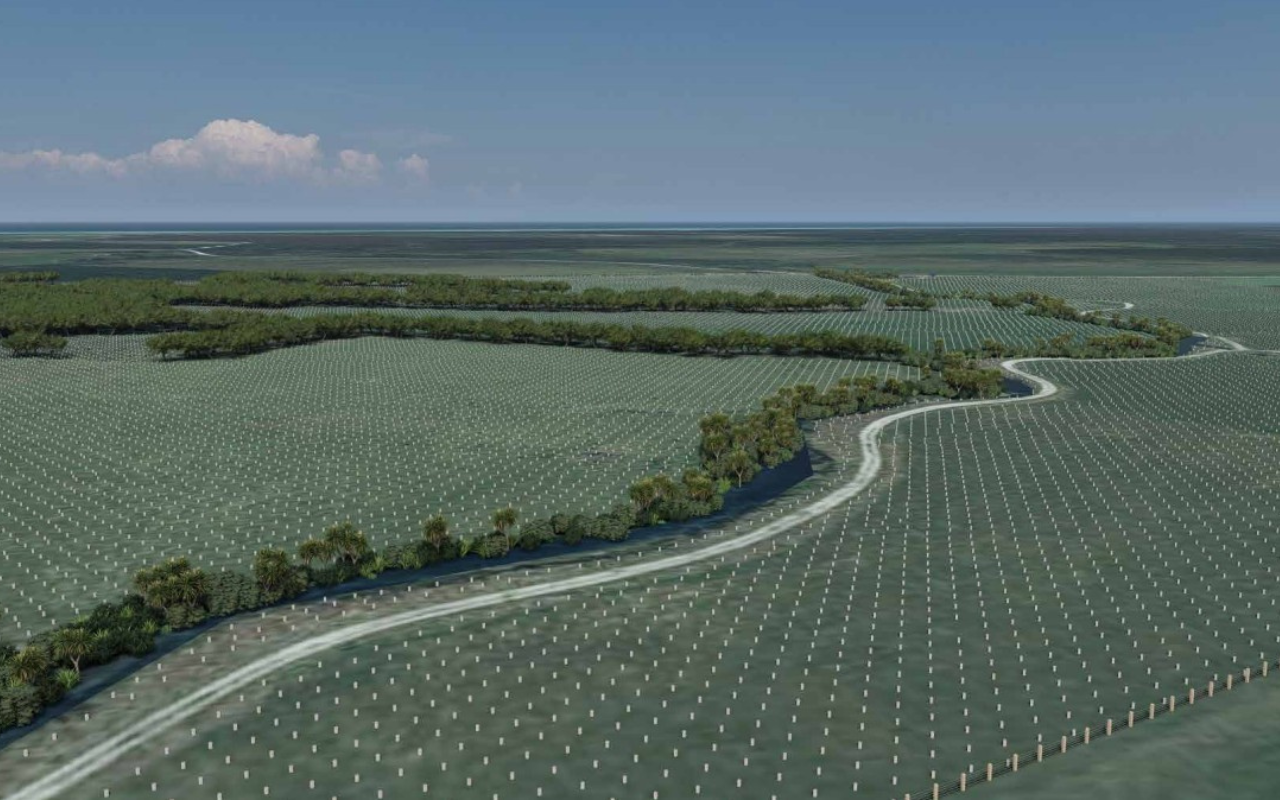
Southern Institute of Technology (SIT) and Ocean Beach Aquaculture Hub have signed a Memorandum of Understanding to boost aquaculture innovation and build regional capability in Southland.The agreement recognises the growing importance of aquaculture to the regional economy and positions SIT at the centre of developing the skills, knowledge, and applied learning needed to support the sector’s long-term success. Southland is well-suited to aquaculture development, with the necessary attributes in water quality, ocean currents and water temperature. Ocean Beach’s coastal location, access to primary production and its cool, clean sea water made it ideal for development, with scope to add more products, such as oysters, kina, shellfish, salmon, and other farmed fish, as well as seaweed for human consumption, horticulture and agriculture, and other innovations. SIT Chief Executive Bharat Guha says the partnership reflects SIT’s commitment to industry-aligned education that delivers meaningful outcomes for students and the wider region. “This Memorandum of Understanding is about creating strong, practical connections between education and industry,” Guha says. “Aquaculture is a sector with significant opportunity for Southland, and this partnership helps ensure our students are gaining real-world experience that supports both learning and regional capability building.” Guha says the agreement reinforces SIT’s role as a cornerstone institution supporting regional development, as outlined in Southland Aquaculture Pathway 2025, Great South’s collaborative road map, designed to align iwi, industry, and government on infrastructure, workforce training, and sustainable growth. “SIT has a long history of working alongside industry to support Southland’s growth,” Guha says. “This partnership strengthens those relationships and reflects a shared commitment to innovation, skills development, and a resilient regional economy.” Invercargill National MP and Minister for Vocational Education, Penny Simmonds, says partnerships between education providers and industry are critical to regional success. “This Memorandum of Understanding highlights the importance of collaboration in building strong regional economies,” Simmonds says. “SIT plays a vital role in developing the skills and capability that underpin Southland’s industries, and partnerships like this support innovation, and long-term growth.” Kaumatua Michael Skerrett of Ngãi Tahu says the partnership reflects a shared responsibility to support education and development that is grounded in place and people. “Aquaculture is closely connected to our environment and our communities,” Skerrett says. “This agreement supports learning that is respectful of the environment and focused on long-term outcomes for the region. It is encouraging to see education and industry working together in this way.” Ocean Beach General Manager, Blair Wolfgram, says the partnership is focused on enabling education and applied learning outcomes. “Ocean Beach was established to support aquaculture innovation and excellence,” Wolfgram says. “Working alongside SIT allows us to contribute to research, and skills development in a way that supports the future of the sector and the region.”

Gov't announces three long-term DOC concessions

12 February 2026, 5:08 AM

Long-term Department of Conservation concessions have been granted today (12 Feb) to three iconic southern tourism locations by the Minister of Conservation Tama Potaka.The concessions include a 38-year concession to NZSki for The Remarkables Ski Area, a 30-year guided walking concession to Tourism Milford Limited (Ultimate Hikes) on the Milford Track and a 25-year concession to RealNZ for the Te Ana-au Caves.Potaka said the long-term tourism concessions would support jobs, strengthen regional economies, and keep visitor access open at key South Island destinations.Tourism and Hospitality Minister Louise Upston said the decision would provide important confidence for the tourism sector and the regional economies that depend on it.MP for Southland Joseph Mooney said he was delighted at the announcement which was great news for Southland and Otago and would strengthen both provinces' economies and keep visitor access open at key South Island destinations.“I have been strongly advocating for concessions in our region to be processed in order to bring certainty and confidence to these areas which attract so many and mean so much to the South."“These attractions are incredibly well-managed, and it is a massive confidence boost for the South to know their future is certain."“With a secure future these operators can now continue hiring, training and investing in these world-class visitor attractions."“The flow-on effect of this decision is vast, with supporting industries such as transport, accommodation, hospitality and construction all part of the community of businesses connected to these attractions."“I will continue working with local tourism operators to support further confidence in our world class southern regions,” Mooney said.

Govt's ten-fold increase in rocket launches good news for Southland

12 February 2026, 4:20 AM

Southland's Awarua Satellite Ground Station is set to boom, after the government announced today (12 Feb) it was raising New Zealand's limit on permitted rocket launches from 100 to 1000.The Awarua station currently provides telemetry, tracking and command services for a wide range of satellites, as well as hosting antennas for global commercial operators and space agencies.The announcement follows a review of space vehicle launch debris regulations.Invercargill MP & Environment Minister Penny Simmonds, who made the announcement along with Space Minister Judith Collins, said it was great news for Southland and would now enable the province's space sector to grow. “Southland is an ideal location for a satellite ground station given its proximity to the South Pole, low horizon and limited radio interference, with this latest increase in the number of space launches allowed a huge boost to this project."Simmonds said Southland’s space sector, anchored by the Awarua Satellite Ground Station and driven by Space Operations NZ (SpaceOps), was experiencing rapid growth.“The sector is expanding its satellite, launch support, and data analytics services with a $4.55 million project supported by $2.25 million from the Government’s Regional Infrastructure Fund."“The space sector in NZ is experiencing significant growth, with revenues reaching $2.68 billion in 2024, and Southland is a key contributor to this, supporting high value jobs and innovation in our province.”Simmonds said that without lifting the limit, every additional launch after the current cap was reached would have been required to apply for a fully notified marine consent. “That would slow innovation in our province, add unnecessary cost, and undermine the Government’s commitment to investment certainty for a sector that is rapidly growing and supporting regional economies."

1-20 of 6693
The Southland App
The Southland App
Advocate Communications

Get it on the Apple StoreGet it on the Google Play Store